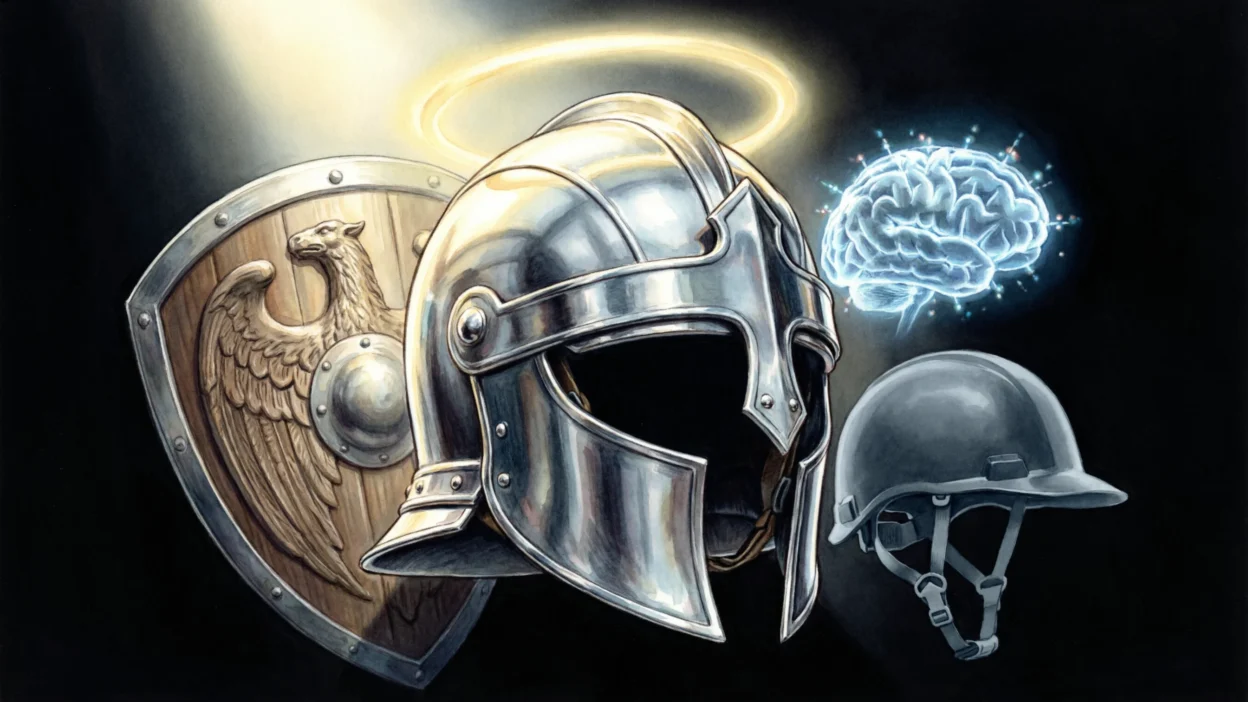
Helmet symbolism has fascinated historians, spiritual thinkers, and artists for centuries. More than just protective gear, a helmet often represents safety, courage, authority, and mental readiness.
From ancient warriors to modern athletes, the helmet carries deep symbolic meaning tied to protection, identity, discipline, and resilience.
Whether seen in dreams, religion, literature, or daily life, the symbolism of helmets reveals how humans value both physical and psychological defense.
Helmet Symbolism Meaning
Helmet symbolism refers to the representation of protection, strength, authority, and preparedness associated with wearing or depicting a helmet.
It commonly symbolizes:
- Protection from harm
- Courage and readiness
- Authority or rank
- Mental focus and discipline
- Personal identity or role
This symbolism appears across history, spirituality, and modern culture.
What Does Helmet Symbolism Represent?
Helmet symbolism represents multiple layers of meaning depending on context. At its core, it reflects protection and preparedness.
Key Symbolic Meanings
| Symbolic Aspect | Meaning |
| Protection | Safety from physical or emotional harm |
| Courage | Readiness to face challenges |
| Authority | Leadership, status, or responsibility |
| Identity | Role or profession (soldier, athlete, worker) |
| Discipline | Focus, structure, and self-control |
| Mental Defense | Guarding thoughts or beliefs |
These meanings explain why helmets appear frequently in war imagery, sports, and spiritual teachings.
Spiritual Meaning of Helmet Symbolism
Spiritually, helmet symbolism often relates to protecting the mind and inner self.
Many spiritual interpretations suggest:
- Guarding thoughts from negativity
- Strengthening mental resilience
- Preparing for personal transformation
- Maintaining focus during challenges
In this sense, the helmet becomes a metaphor for emotional and spiritual protection rather than physical armor.
Biblical / Religious Meaning of Helmet Symbolism
In Christianity, helmet symbolism appears prominently as the “helmet of salvation.”
This concept represents:
- Faith protecting the mind
- Hope and spiritual security
- Confidence in divine guidance
Similar symbolic protection appears in other traditions where armor represents faith, wisdom, or divine protection.
Helmet Symbolism in History and Culture
Throughout history, helmets have symbolized more than battlefield safety.
Cultural Examples
- Ancient warriors: Strength, honor, and bravery
- Medieval knights: Chivalry and loyalty
- Samurai helmets: Identity, status, and artistry
- Modern safety helmets: Responsibility and professionalism
Helmets often reflect social roles and cultural values tied to protection and duty.
Helmet Symbolism in Literature and Art
Writers and artists frequently use helmet symbolism to express:
- Heroism and courage
- Emotional guardedness
- Authority or leadership
- Conflict or readiness for battle
In literature, a helmet may symbolize a character’s psychological defenses or inner struggles, not just physical combat.
Dream Meaning of Helmet Symbolism
Seeing a helmet in dreams usually relates to self-protection or mental preparation.
Common interpretations include:
- Wearing a helmet → Seeking protection or confidence
- Broken helmet → Vulnerability or insecurity
- Removing a helmet → Emotional openness
- Finding a helmet → Preparation for a challenge
Dream symbolism depends heavily on personal emotions and life context.
Modern Meaning of Helmet Symbolism
Today, helmet symbolism extends into everyday life.
Contemporary Interpretations
- Safety awareness (construction, cycling, sports)
- Professional identity and responsibility
- Mental resilience in stressful environments
- Personal boundaries and emotional protection
Modern symbolism often blends practicality with psychological meaning.
FAQs About Helmet Symbolism
What does helmet symbolism generally represent?
Helmet symbolism usually represents protection, courage, authority, and mental readiness in both physical and psychological contexts.
Is helmet symbolism spiritual?
Yes, spiritually it often symbolizes protecting the mind, maintaining faith, and staying mentally strong during life challenges.
What does dreaming about a helmet mean?
Dreaming of a helmet typically suggests a need for protection, preparation for challenges, or emotional self-defense.
Does helmet symbolism differ across cultures?
Yes, cultural context influences meaning — from warrior honor in history to modern safety and professional responsibility.
Why are helmets associated with identity?
Helmets often indicate roles such as soldiers, athletes, or workers, making them symbols of profession, duty, and identity.
Conclusion
Helmet symbolism powerfully reflects humanity’s desire for protection, strength, and readiness. Whether spiritual, historical, or modern, the helmet reminds us to guard our minds, embrace courage, and face challenges with confidence.

“Alex Fokes is a visionary entrepreneur and tech enthusiast, dedicated to exploring innovation, digital trends, and creative solutions. He shares insights to educate and inspire audiences globally.”