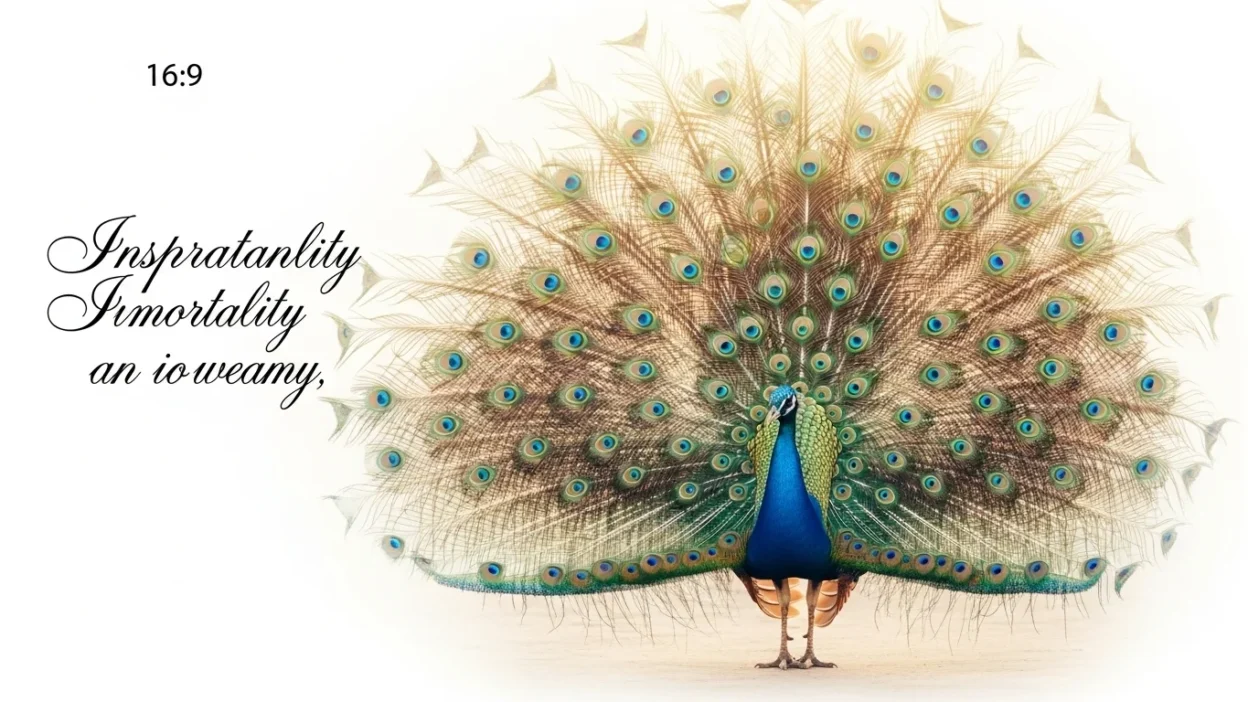
Peacock symbolism has fascinated people for centuries, representing beauty, renewal, pride, and spiritual awakening across many cultures.
Known for its dazzling feathers and graceful presence, the peacock carries deep symbolic meanings that go far beyond appearance.
Whether seen in religion, art, dreams, or modern culture, understanding peacock symbolism can offer insight into personal growth, confidence, and transformation.
Peacock Symbolism Meaning
Peacock symbolism refers to the symbolic meanings associated with the peacock bird, often linked to beauty, immortality, pride, protection, and spiritual awareness.
Because of its striking feathers and regal posture, the peacock commonly represents:
- Confidence and self-expression
- Renewal and rebirth
- Vision and awareness
- Nobility and prestige
- Inner growth and transformation
What Does Peacock Symbolism Represent?
Peacock symbolism carries multiple interpretations depending on cultural and personal perspectives. However, several themes appear consistently.
Common Symbolic Associations
| Symbolic Meaning | Explanation |
| Beauty & Grace | The peacock’s colorful feathers symbolize elegance and uniqueness. |
| Pride & Confidence | Its posture suggests self-assurance and personal power. |
| Renewal & Rebirth | Annual feather shedding reflects transformation and fresh starts. |
| Protection & Awareness | “Eye” patterns on feathers symbolize watchfulness. |
| Prosperity & Royalty | Historically linked with kingship and wealth. |
These meanings often connect peacock symbolism with personal confidence and spiritual development.
Spiritual Meaning of Peacock Symbolism
Spiritually, peacock symbolism often represents awakening, enlightenment, and inner vision. Many spiritual traditions view the peacock as a reminder to embrace authenticity and spiritual beauty.
Key spiritual interpretations include:
- Awakening higher consciousness
- Self-love and acceptance
- Protection from negative energy
- Transformation and personal evolution
Seeing a peacock repeatedly may symbolize encouragement to trust your inner wisdom and embrace personal growth.
Biblical / Religious Meaning of Peacock Symbolism
In Christianity, peacock symbolism has historically represented immortality and resurrection. Early Christians believed the bird’s flesh did not decay, associating it with eternal life.
Other religious interpretations include:
- Hinduism: The peacock is linked with divine protection and wisdom, especially through Lord Krishna and Kartikeya.
- Buddhism: It symbolizes purity because it thrives despite harsh conditions.
- Ancient Persia: Considered a guardian figure representing paradise.
Across religions, the peacock often reflects spiritual purity, renewal, and divine watchfulness.
Peacock Symbolism in History and Culture
Peacock symbolism has appeared in royal courts, mythology, and folklore worldwide.
Cultural Highlights
- Ancient Greece associated the peacock with Hera, symbolizing watchfulness.
- Indian culture views it as a national symbol of grace, beauty, and honor.
- Chinese symbolism connects peacocks with dignity, rank, and good fortune.
- Medieval Europe used peacock imagery in noble and religious art.
Historically, peacock symbolism frequently conveyed prestige, protection, and divine favor.
Peacock Symbolism in Literature and Art
Artists and writers have long used peacock symbolism to express deeper human themes.
Common artistic meanings include:
- Vanity or pride in classical literature
- Beauty and extravagance in visual arts
- Immortality and transcendence in religious paintings
- Individual identity and uniqueness in modern literature
Its vivid imagery makes the peacock a powerful metaphor for emotional and spiritual expression.
Dream Meaning of Peacock Symbolism
Dreaming of peacocks often carries positive symbolic messages.
Possible interpretations include:
- Personal growth or upcoming success
- Increased confidence or recognition
- Spiritual awakening or awareness
- Desire for self-expression
Context matters — a calm peacock suggests harmony, while an aggressive one may reflect ego or insecurity.
Modern Meaning of Peacock Symbolism
Today, peacock symbolism continues evolving across fashion, branding, psychology, and spirituality.
Modern interpretations often highlight:
- Authentic self-expression
- Creativity and individuality
- Confidence and charisma
- Diversity and acceptance
- Transformation and personal branding
Many people see peacock symbolism as encouragement to embrace uniqueness while remaining grounded.
FAQs About Peacock Symbolism
Q. What does peacock symbolism generally mean?
It usually represents beauty, confidence, renewal, and spiritual awareness across many cultures.
Q. Is peacock symbolism positive or negative?
Mostly positive, though it can sometimes represent vanity or excessive pride depending on context.
Q. What does seeing a peacock symbolize spiritually?
It may symbolize awakening, protection, or encouragement toward self-expression and inner growth.
Q. What does a peacock feather symbolize?
Peacock feather symbolism often relates to protection, vision, royalty, and spiritual awareness.
Q. Are peacocks considered lucky symbols?
In many traditions, yes they symbolize prosperity, protection, and good fortune.
Conclusion
Peacock symbolism beautifully blends elegance, spirituality, and personal transformation.
Whether viewed through religion, culture, dreams, or modern perspectives, it encourages confidence, awareness, and embracing your true colors.

“Alex Fokes is a visionary entrepreneur and tech enthusiast, dedicated to exploring innovation, digital trends, and creative solutions. He shares insights to educate and inspire audiences globally.”