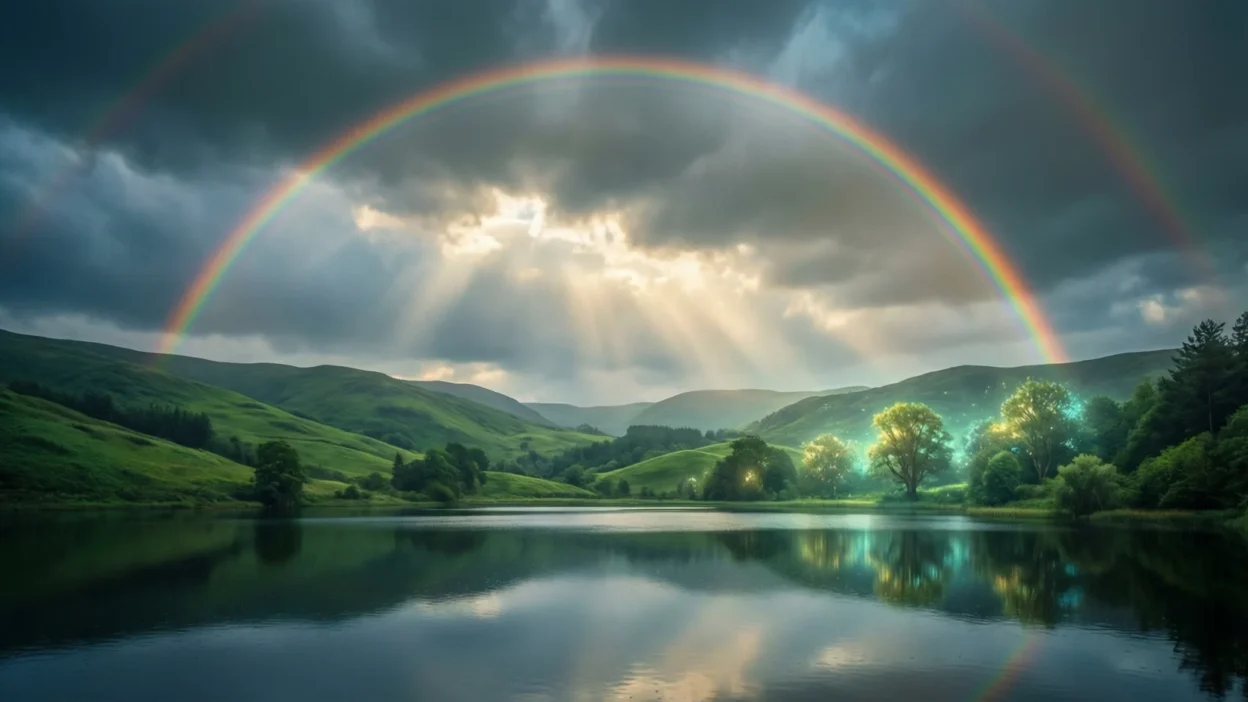
Rainbow symbolism has fascinated humanity for centuries. From spiritual hope to cultural identity, rainbows often represent beauty after struggle, unity in diversity, and transformation. Whether seen in the sky, art, dreams, or religious texts, the rainbow carries deep emotional and symbolic meaning that resonates across cultures and generations.
Rainbow Symbolism Meaning
Rainbow symbolism refers to the deeper meanings associated with rainbows — typically hope, renewal, harmony, diversity, and divine connection.
Because rainbows appear after rainstorms, they are often interpreted as signs of peace, optimism, and positive change.
What Does Rainbow Symbolism Represent?
Rainbow symbolism commonly represents uplifting themes in life. Key interpretations include:
- Hope and renewal after difficult times
- Unity and diversity through different colors working together
- Peace and harmony in relationships or society
- Transformation and growth following emotional storms
- Joy and beauty found in nature
Quick Symbolism Summary
| Symbolic Aspect | Meaning |
| Hope | Better times after hardship |
| Diversity | Inclusion and acceptance |
| Transformation | Personal growth or change |
| Peace | Calm after conflict |
| Joy | Beauty and positivity |
Spiritual Meaning of Rainbow Symbolism
Spiritually, rainbows are often viewed as messages of reassurance and balance. Many belief systems connect them with higher guidance or inner awakening.
Common spiritual interpretations include:
- Alignment between mind, body, and spirit
- Signs of protection or blessings
- Connection between earthly and divine realms
- Emotional healing and spiritual growth
Some people associate the rainbow colors meaning with energy centers, symbolizing balance and personal harmony.
Biblical / Religious Meaning of Rainbow Symbolism
In Christianity, rainbow symbolism strongly connects to the story of Noah’s Ark, where the rainbow symbolizes God’s covenant with humanity — a promise of protection and mercy.
Other religious perspectives include:
- Islamic interpretations: Beauty and divine creation in nature
- Hindu traditions: The rainbow linked to divine weapons or celestial bridges
- Buddhist symbolism: Spiritual ascension and enlightenment
Across faiths, the rainbow frequently signals hope, divine reassurance, and faith renewal.
Rainbow Symbolism in History and Culture
Throughout history, rainbow symbolism has appeared in myths, folklore, and national identities.
Examples include:
- Ancient Greek mythology describing rainbows as a bridge of the goddess Iris
- Irish folklore connecting rainbows to hidden treasure and luck
- Indigenous cultures viewing rainbows as sacred natural signs
In modern cultural symbolism, rainbows often represent inclusivity, identity, and social unity.
Rainbow Symbolism in Literature and Art
Writers and artists frequently use rainbow symbolism to convey emotion, change, and aspiration.
Common artistic uses include:
- Symbolizing hope at the end of hardship
- Expressing diversity and coexistence
- Representing dreams or ideal futures
Painters, poets, and filmmakers often use rainbow imagery to evoke inspiration, wonder, and optimism.
Dream Meaning of Rainbow Symbolism
Seeing a rainbow in dreams often carries positive interpretations.
Typical meanings include:
- Emotional healing or resolution
- Upcoming opportunities or success
- Desire for harmony in life
- Spiritual awakening or personal insight
Dream symbolism varies with context, but rainbows usually reflect optimism and balance.
Modern Meaning of Rainbow Symbolism
Today, rainbow symbolism has expanded into social, psychological, and personal contexts.
Modern interpretations include:
- Identity and inclusivity, especially LGBTQ+ pride symbolism
- Mental wellness — hope during challenges
- Creativity and self-expression
- Environmental appreciation for natural beauty
The rainbow remains a powerful symbol of unity, acceptance, and positivity worldwide.
Frequently Asked Questions About Rainbow Symbolism
What does rainbow symbolism generally mean?
It usually represents hope, diversity, renewal, and harmony after challenges or difficult periods.
Is rainbow symbolism spiritual?
Yes, many traditions view it as a sign of divine connection, healing, or emotional balance.
What does seeing a rainbow symbolize emotionally?
Often it reflects optimism, reassurance, or encouragement during life transitions.
Is rainbow symbolism positive?
Most interpretations are positive, emphasizing peace, inclusivity, joy, and transformation.
Conclusion
Rainbow symbolism reminds us that beauty often follows storms. Across spirituality, culture, and everyday life, it represents hope, unity, transformation, and the promise of brighter moments ahead.

“Ellyse Perry, author of Symbobuz.com, is an accomplished sports icon and tech enthusiast, sharing insights on innovation, digital trends, and creativity to educate and inspire readers worldwide.”