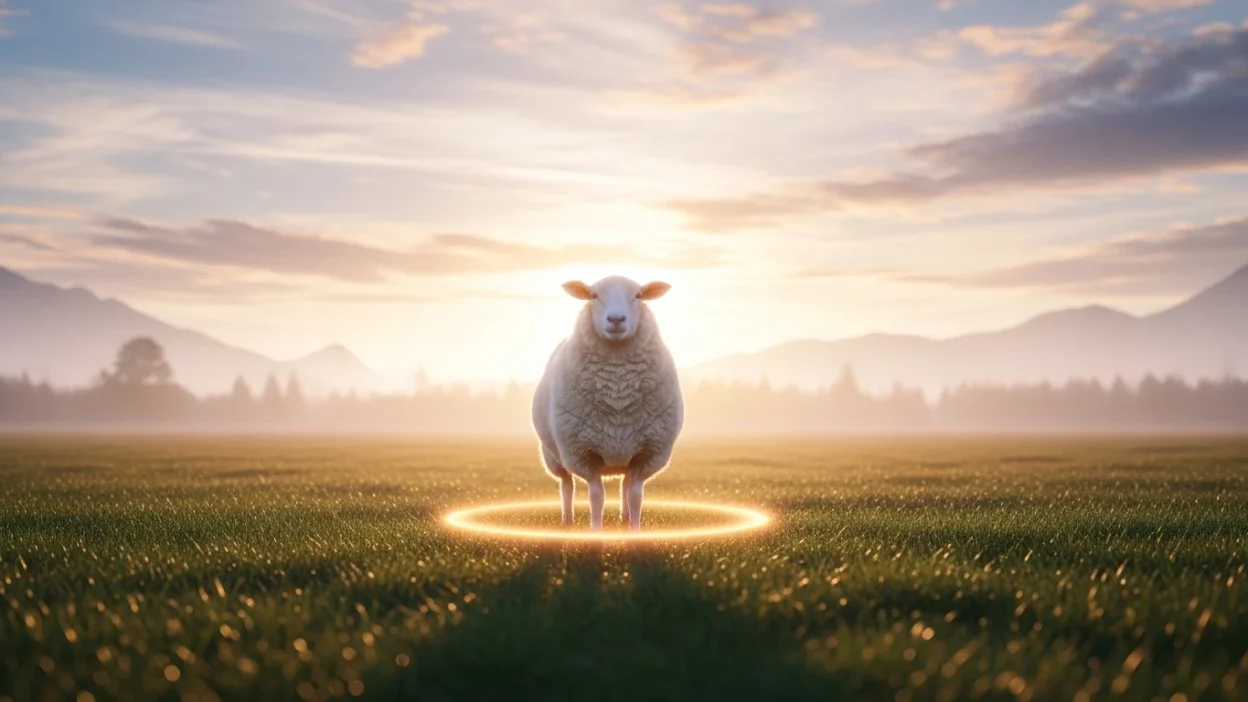
Sheep symbolism has appeared in myths, religion, literature, and everyday language for thousands of years.
Often associated with innocence, humility, and guidance, the sheep carries deeper meanings that connect to spiritual trust, community, and quiet resilience.
While some people see sheep simply as followers, many cultures view them as sacred animals representing purity, protection, and devotion.
Understanding sheep symbolism helps reveal why this gentle animal has become a powerful symbol across spiritual traditions, art, and storytelling.
Sheep Symbolism Meaning
At its core, sheep symbolism represents innocence, obedience, peace, and spiritual guidance.
Sheep are often seen as calm, trusting animals that rely on guidance and community. Because of this, they symbolize:
- Purity and innocence
- Faith and devotion
- Vulnerability and protection
- Community and belonging
- Gentleness and patience
In symbolic terms, sheep remind us that strength does not always appear as aggression—sometimes it shows through humility, trust, and compassion.
What Does Sheep Symbolism Represent?
Across cultures and belief systems, sheep symbolism reflects several important human qualities and spiritual ideas.
Key Symbolic Meanings of Sheep
| Symbolic Meaning | Explanation |
| Innocence | Sheep are gentle and harmless animals, often representing purity and childlike trust. |
| Faith | In many traditions, sheep symbolize believers who follow spiritual guidance. |
| Community | Sheep naturally live in flocks, symbolizing unity and cooperation. |
| Sacrifice | Historically, sheep were used in religious rituals, representing offering and devotion. |
| Guidance | Sheep rely on shepherds, symbolizing the need for wise leadership. |
| Peacefulness | Their calm nature reflects harmony and non-violence. |
These meanings explain why sheep appear frequently in religious imagery, moral stories, and symbolic language.
Spiritual Meaning of Sheep Symbolism
Spiritually, sheep symbolism is often connected to trust in divine guidance and the power of humility.
Many spiritual traditions teach that sheep represent the soul seeking direction. Just as sheep rely on a shepherd to guide them safely, people often rely on spiritual wisdom to navigate life.
Common spiritual interpretations include:
- Trust in higher guidance
- Faith during uncertainty
- Spiritual purity
- Compassion and gentleness
Seeing sheep in meditation, dreams, or spiritual reflection may suggest a need to reconnect with inner peace or trust the path unfolding before you.
Biblical / Religious Meaning of Sheep Symbolism
Sheep hold particularly strong meaning in religious traditions, especially within Abrahamic faiths.
In the Bible, sheep are closely connected with themes of protection, sacrifice, and divine care. Believers are often described as sheep guided by a shepherd.
Important religious interpretations include:
- Believers as sheep – representing faithful followers.
- The shepherd as protector – symbolizing divine leadership.
- Sacrificial lamb symbolism – representing redemption and spiritual sacrifice.
Because of these associations, sheep imagery appears frequently in religious texts, teachings, and spiritual metaphors.
Sheep Symbolism in History and Culture
Historically, sheep played a vital role in agriculture and survival, which helped shape their symbolic meaning.
Ancient communities depended on sheep for wool, milk, and food. Their value made them symbols of prosperity and sustenance.
Cultural interpretations of sheep include:
- Ancient pastoral societies: wealth and livelihood
- Celtic traditions: fertility and seasonal cycles
- Mediterranean cultures: hospitality and sacrifice
- Asian symbolism: calmness and kindness
Over time, these practical connections transformed into symbolic meanings related to care, abundance, and community life.
Sheep Symbolism in Literature and Art
Writers and artists often use sheep symbolism to explore themes of innocence, conformity, and moral guidance.
In literature, sheep can represent both positive and cautionary ideas:
- Innocent characters who trust others easily
- Communities guided by leaders
- Blind conformity when individuals follow without thinking
Artists also portray sheep in peaceful pastoral scenes, symbolizing harmony between humans and nature.
Because sheep evoke gentleness and simplicity, they are powerful visual symbols in storytelling and art.
Dream Meaning of Sheep Symbolism
Dreaming about sheep can carry important emotional or spiritual messages.
The meaning often depends on the situation in the dream.
Common Sheep Dream Interpretations
- Seeing a flock of sheep: harmony, security, and belonging
- A single sheep: innocence or vulnerability
- Lost sheep: feeling disconnected or seeking direction
- White sheep: purity and peaceful energy
- Black sheep: individuality or feeling misunderstood
These dreams often reflect a desire for safety, acceptance, or spiritual reassurance.
Modern Meaning of Sheep Symbolism
In modern culture, sheep symbolism has evolved to include social and psychological meanings.
Today, the phrase “being a sheep” sometimes refers to people who follow others without questioning. However, this interpretation only represents one side of the symbol.
Positive modern meanings still include:
- Cooperation and teamwork
- Peaceful living
- Emotional gentleness
- Loyalty to community
In many ways, sheep remind people that unity and compassion can be just as powerful as independence.
FAQs About Sheep Symbolism
What does sheep symbolism mean spiritually?
Spiritually, sheep symbolize faith, humility, and trust in divine guidance. They often represent souls seeking protection and spiritual direction.
Why are sheep symbols of innocence?
Sheep are gentle, harmless animals that rarely show aggression. Their calm and trusting nature makes them natural symbols of purity and innocence.
What does it mean to dream about sheep?
Dreaming about sheep usually reflects peace, belonging, or a need for guidance. A flock of sheep often symbolizes harmony and emotional safety.
Why are sheep important in religious symbolism?
Sheep appear in many religious traditions as symbols of believers, sacrifice, and divine protection. They often represent spiritual devotion and faith.
What does being called a sheep symbolize?
In modern language, it sometimes means someone who follows others without independent thought. However, traditionally it also symbolizes community and trust.
Conclusion
Sheep symbolism carries a powerful message about humility, faith, and peaceful strength.
Across religion, history, and storytelling, sheep represent innocence, guidance, and the importance of community.
While modern interpretations sometimes focus on conformity, the deeper symbolism reminds us that gentleness, trust, and compassion are enduring sources of true strength.

“Martain Cooper, founder and author of Symbobuz.com, is a passionate technology enthusiast and writer, sharing insights on innovation, digital trends, and creative solutions to inspire readers worldwide.”