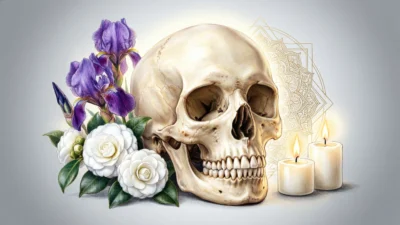
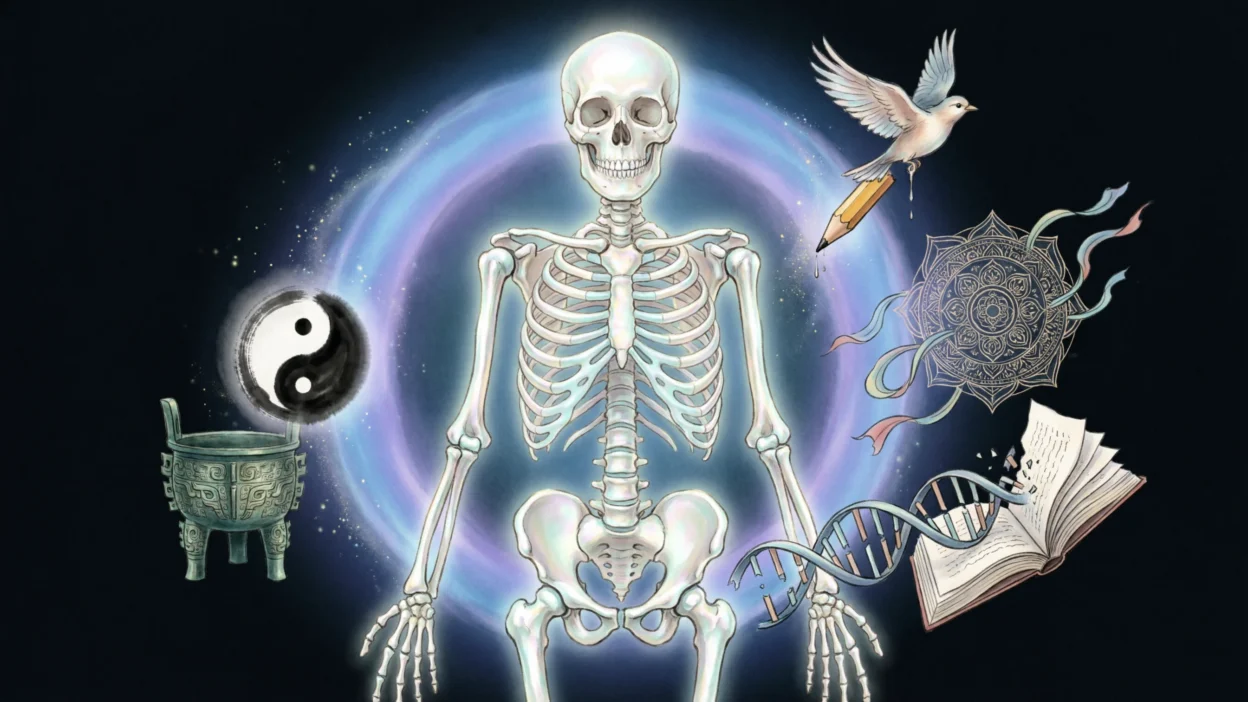
Skeleton symbolism has fascinated people for centuries because it touches on life, death, transformation, and what lies beneath the surface.
From ancient rituals to modern art and dreams, skeletons often represent deeper truths about existence, reminding us of mortality while also symbolizing resilience, renewal, and hidden strength.
Skeleton Symbolism Meaning
Skeleton symbolism refers to the use of bones or skeletal imagery to represent mortality, truth, transformation, and the essential structure of life.
At its core, a skeleton strips away appearances and reveals what is fundamental — physically, emotionally, or spiritually.
What Does Skeleton Symbolism Represent?
Skeleton symbolism carries multiple interpretations depending on context. Common meanings include:
| Symbolic Meaning | Interpretation |
| Mortality | Reminder that life is temporary |
| Truth & Essence | What remains when illusions disappear |
| Transformation | Cycles of death, rebirth, and renewal |
| Strength & Structure | Foundation supporting life |
| Hidden Secrets | Things beneath the surface |
| Equality | Death unites all humans |
Closely related symbolic themes include death symbolism, bone symbolism, mortality symbolism, rebirth symbolism, and transformation symbolism.
Spiritual Meaning of Skeleton Symbolism
Spiritually, skeleton symbolism often represents transformation and inner truth.
Many belief systems view the skeleton as:
- A sign of shedding old identities
- Spiritual awakening through life changes
- Acceptance of life’s impermanence
- Connection between physical existence and the soul
Rather than negativity, it can signal growth, resilience, and self-discovery.
Biblical / Religious Meaning of Skeleton Symbolism
In religious contexts, skeleton symbolism frequently connects with resurrection, mortality awareness, and divine power.
Examples include:
- Biblical imagery: The Valley of Dry Bones vision symbolizes spiritual revival and hope after despair.
- Christian tradition: Bones remind believers of humility and life’s temporary nature.
- Other faiths: Some traditions use skeletal imagery to reflect cycles of death and rebirth.
These interpretations emphasize renewal more than fear.
Skeleton Symbolism in History and Culture
Across cultures, skeleton symbolism has played powerful roles:
- Mexican Día de los Muertos: Celebrates ancestors using decorative skeleton imagery to honor life and memory.
- Medieval Europe: “Danse Macabre” art reminded people that death comes to everyone equally.
- Ancient rituals: Bones symbolized ancestral connection and continuity.
Historically, skeleton imagery balanced fear with reverence and remembrance.
Skeleton Symbolism in Literature and Art
Writers and artists often use skeleton symbolism to explore deep human themes.
Common artistic meanings include:
- Hidden truths or secrets (“skeletons in the closet”)
- Mortality reflections in poetry and painting
- Transformation themes in novels and mythology
- Contrast between beauty and decay
Art transforms skeletal imagery into powerful emotional storytelling.
Dream Meaning of Skeleton Symbolism
Dreaming about skeleton symbolism can carry personal and psychological significance.
Possible interpretations:
- Facing fears or unresolved issues
- Awareness of vulnerability or change
- Letting go of the past
- Seeking truth beneath appearances
Context and emotions in the dream strongly influence interpretation.
Modern Meaning of Skeleton Symbolism
Today, skeleton symbolism appears in fashion, tattoos, movies, and popular culture.
Modern interpretations often highlight:
- Individuality and rebellion
- Acceptance of mortality
- Celebration of transformation
- Artistic expression rather than fear
It has shifted from purely ominous to meaningful and sometimes empowering.
FAQs About Skeleton Symbolism
What does skeleton symbolism generally mean?
It commonly represents mortality, truth, transformation, and the underlying structure of existence.
Is skeleton symbolism always negative?
No. It often symbolizes renewal, honesty, resilience, and spiritual growth rather than fear.
What does a skeleton symbolize spiritually?
Spiritually, it can represent transformation, acceptance of impermanence, and discovering deeper truths about life.
What does dreaming of skeleton symbolism mean?
It usually relates to change, confronting fears, or uncovering hidden aspects of oneself.
Why are skeletons used in cultural celebrations?
Many cultures use them to honor ancestors, remember mortality, and celebrate the continuity of life.
Conclusion
Skeleton symbolism reminds us that beneath appearances lies truth, strength, and transformation. Rather than simply symbolizing death, it often represents renewal, honesty, and the enduring essence of life itself.

“Martain Cooper, founder and author of Symbobuz.com, is a passionate technology enthusiast and writer, sharing insights on innovation, digital trends, and creative solutions to inspire readers worldwide.”