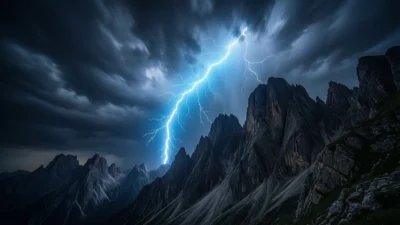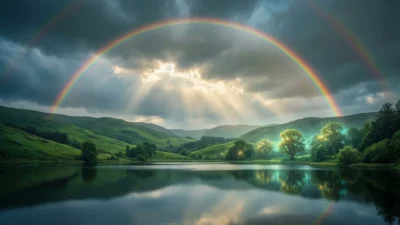
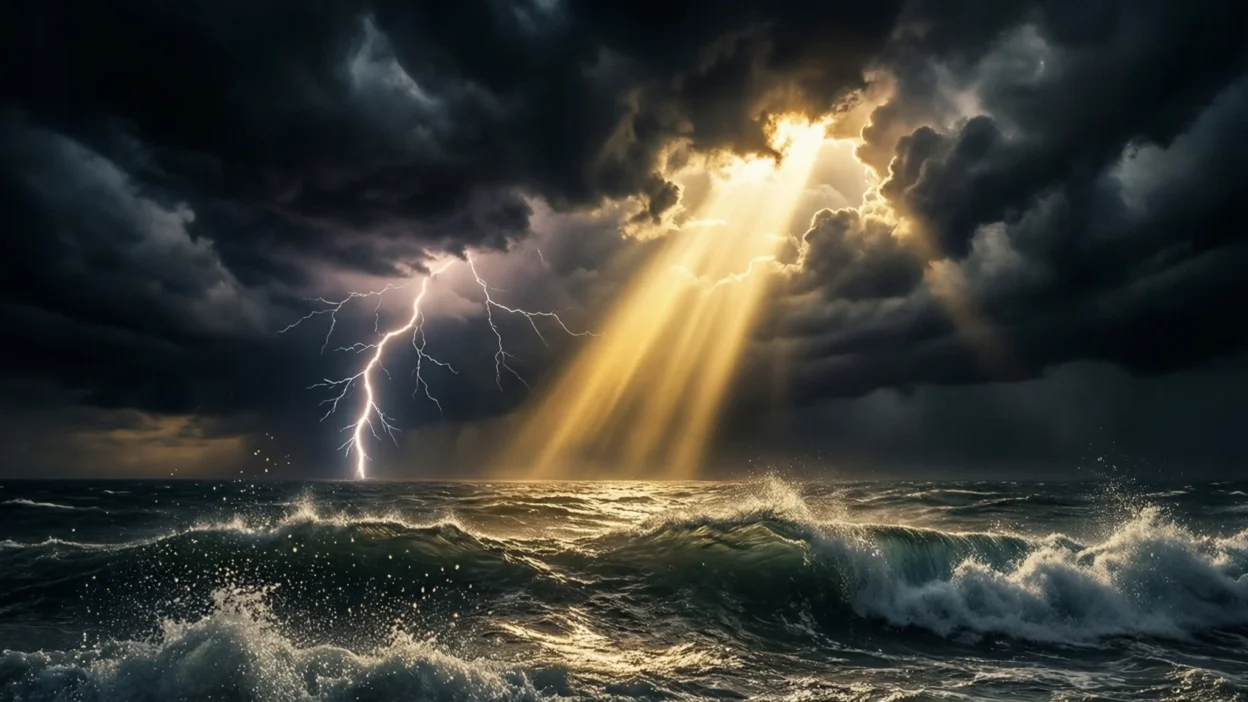
Storm symbolism often reflects emotional intensity, change, and transformation. Across cultures, literature, spirituality, and everyday life, storms represent both turmoil and renewal. While they can signal chaos or conflict, they also point to growth, cleansing, and fresh beginnings. Understanding storm symbolism helps us interpret emotions, dreams, art, and spiritual experiences with deeper clarity.
Storm Symbolism Meaning
Storm symbolism refers to the use of storms — thunder, lightning, rain, or wind — as symbols of powerful emotions, upheaval, transformation, or renewal.
In simple terms, storms often symbolize:
- Emotional conflict or tension
- Sudden change or transformation
- Inner turmoil or stress
- Cleansing, rebirth, or renewal
This symbolic meaning appears in religion, art, psychology, literature, and personal interpretation.
What Does Storm Symbolism Represent?
Storm symbolism can carry multiple meanings depending on context. Common symbolic interpretations include:
| Symbolic Aspect | Meaning |
| Emotional turmoil | Anxiety, anger, grief, or inner conflict |
| Transformation | Personal growth after hardship |
| Cleansing rain symbolism | Renewal, healing, fresh start |
| Power of nature symbolism | Forces beyond human control |
| Chaos and order | Life’s unpredictability and balance |
Secondary related themes include weather symbolism, thunder symbolism, lightning symbolism, rain symbolism, and emotional storm symbolism, all connected to how humans interpret natural forces.
Spiritual Meaning of Storm Symbolism
Spiritually, storms often symbolize awakening and transformation. They may represent:
- Clearing negative energy
- Spiritual testing or growth
- Divine intervention or guidance
- Emotional release leading to healing
Many spiritual traditions view storms as catalysts — intense but necessary experiences that lead to clarity, strength, and renewed purpose.
Biblical / Religious Meaning of Storm Symbolism
In biblical and religious contexts, storm symbolism frequently represents divine power and revelation.
Common interpretations include:
- God’s authority and presence
- Testing of faith and endurance
- Warning or purification
- Protection during adversity
For example, storms in scripture often precede spiritual breakthroughs or moments of divine intervention.
Storm Symbolism in History and Culture
Throughout history, cultures have used storms to explain natural forces and human experiences.
Examples include:
- Ancient myths portraying storm gods as powerful protectors
- Maritime cultures viewing storms as tests of courage
- Agricultural societies seeing storms as necessary for fertility
These interpretations shaped traditions, folklore, and rituals worldwide.
Storm Symbolism in Literature and Art
Writers and artists frequently use storms symbolically to reflect internal or external conflict.
Common artistic uses include:
- Emotional tension in dramatic scenes
- Transformation or turning points in stories
- Atmosphere building in paintings and films
- Metaphors for struggle and resilience
Classic literature often uses storms to mirror characters’ emotional states.
Dream Meaning of Storm Symbolism
Dreaming about storms often reflects subconscious emotions.
Possible interpretations:
- Feeling overwhelmed or stressed
- Anticipation of change
- Emotional release or healing
- Fear of uncertainty
Dream context matters — calm after a storm may symbolize resolution, while ongoing storms may reflect unresolved tension.
Modern Meaning of Storm Symbolism
Today, storm symbolism appears in psychology, media, and personal growth conversations.
Modern interpretations include:
- Mental health struggles and emotional processing
- Life transitions such as career or relationship changes
- Collective challenges like social or environmental crises
- Personal resilience and adaptability
Storm symbolism continues to inspire motivational messages about perseverance and renewal.
FAQs About Storm Symbolism
What does storm symbolism usually mean?
Storm symbolism commonly represents emotional turmoil, change, cleansing, or personal transformation depending on cultural or personal interpretation.
Is storm symbolism positive or negative?
It can be both. Storms symbolize struggle or chaos but often lead to renewal, growth, and emotional clarity.
What does dreaming about storms symbolize?
Storm dreams usually reflect stress, emotional tension, or major life changes approaching or already happening.
Why are storms linked to transformation?
Storms disrupt stability but also cleanse and refresh environments, mirroring human experiences of growth through challenge.
Does storm symbolism differ across cultures?
Yes. Some cultures see storms as divine power, while others interpret them as emotional or psychological transformation.
Conclusion
Storm symbolism reminds us that turmoil often precedes growth. Just like nature clears the air after a storm, life’s challenges can lead to renewal, strength, and deeper understanding.

“Alex Fokes is a visionary entrepreneur and tech enthusiast, dedicated to exploring innovation, digital trends, and creative solutions. He shares insights to educate and inspire audiences globally.”