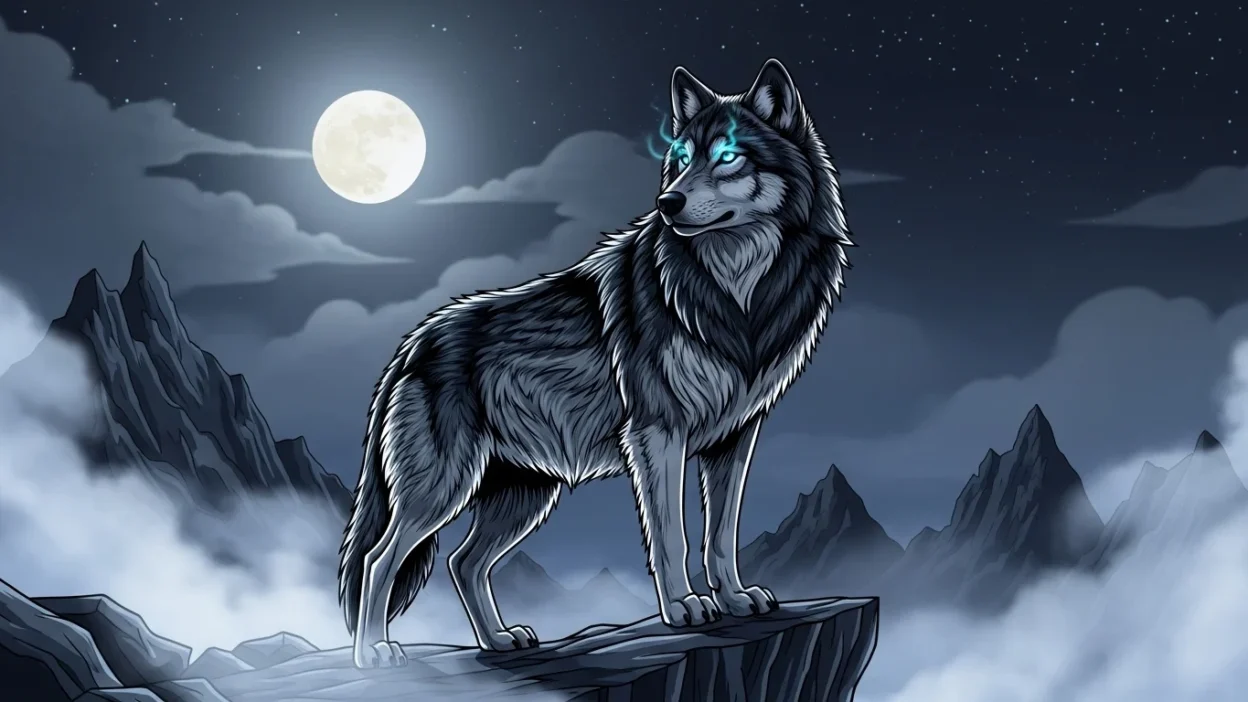
Wolf symbolism has fascinated people for centuries. Across cultures, religions, and modern psychology, wolves represent strength, intuition, loyalty, and freedom.
Understanding wolf symbolism can help you reflect on personal growth, relationships, and inner instincts.
Whether seen in dreams, stories, or spiritual traditions, the wolf often carries messages about leadership, independence, and connection to nature.
Wolf Symbolism Meaning
Wolf symbolism refers to the symbolic meanings associated with wolves, including loyalty, instinct, courage, intelligence, freedom, and strong social bonds.
Wolves are pack animals, yet fiercely independent. This balance makes them powerful symbols of both community and personal strength.
Quick Symbolism Overview
| Symbolic Aspect | Meaning |
| Loyalty | Strong family and social bonds |
| Instinct | Trusting inner guidance |
| Freedom | Independent spirit |
| Courage | Facing challenges bravely |
| Intelligence | Strategy and adaptability |
| Leadership | Protective authority |
What Does Wolf Symbolism Represent?
Wolf symbolism often reflects human emotional and psychological traits. Many people associate wolves with inner strength, intuition, and resilience.
Common representations include:
- Wolf spirit animal guidance and protection
- Wolf totem meaning linked to loyalty and courage
- Strong family connections and teamwork
- Independence balanced with cooperation
- Awareness of instincts and intuition
These interpretations make the wolf a popular symbol for personal empowerment.
Spiritual Meaning of Wolf Symbolism
Spiritually, wolves often represent intuition, transformation, and spiritual guidance. Seeing a wolf symbol repeatedly may suggest listening more closely to your inner voice.
Key spiritual themes:
- Trusting your instincts
- Protecting loved ones
- Embracing personal freedom
- Navigating life transitions
Many spiritual traditions consider wolves guardians of wisdom and natural balance.
Biblical / Religious Meaning of Wolf Symbolism
In biblical and religious texts, wolf symbolism can have dual meanings.
Positive interpretations:
- Strength and perseverance
- Leadership qualities
Negative interpretations:
- Danger or deception (wolves in sheep’s clothing)
- Tests of faith or vigilance
Context usually determines whether the wolf symbolizes threat or strength.
Wolf Symbolism in History and Culture
Throughout history, wolves have held powerful cultural significance.
Examples include:
- Native American wolf symbolism: Guidance, loyalty, and teaching
- Roman mythology: The she-wolf nurturing Romulus and Remus symbolizes protection and origin
- Celtic traditions: Associated with wilderness wisdom and warrior spirit
- Asian folklore: Often linked with guardianship and courage
These cultural views shaped modern interpretations of wolves as wise yet formidable beings.
Wolf Symbolism in Literature and Art
Wolves appear frequently in literature, folklore, and visual art.
Common themes include:
- The wild nature of humanity
- Survival and resilience
- Loyalty and betrayal
- Transformation and mystery
From ancient myths to contemporary novels, wolves symbolize both fear and admiration.
Dream Meaning of Wolf Symbolism
Dreaming about wolves often reflects emotions, instincts, or relationships.
Possible interpretations:
- A lone wolf → independence or isolation
- A wolf pack → community, support, or teamwork
- Friendly wolf → trust in instincts
- Aggressive wolf → hidden fears or conflicts
Dream meanings depend heavily on personal feelings and context.
Modern Meaning of Wolf Symbolism
Today, wolf symbolism often represents confidence, leadership, and self-discovery.
Modern associations include:
- Personal independence
- Emotional intelligence
- Environmental awareness
- Strength in community
Many people use wolf imagery for motivation, identity, or spiritual inspiration.
FAQs About Wolf Symbolism
What does wolf symbolism mean spiritually?
It usually symbolizes intuition, protection, and spiritual guidance. Many see wolves as messengers encouraging trust in inner instincts.
Is seeing a wolf a good sign?
Often yes. It can represent strength, loyalty, or personal awakening, though context and beliefs influence interpretation.
What does a wolf spirit animal represent?
A wolf spirit animal commonly reflects leadership, loyalty, intuition, and strong social connections.
What does dreaming about wolves indicate?
It may relate to instincts, relationships, independence, or emotional challenges depending on dream details.
Why are wolves symbols of loyalty?
Because wolves live in organized packs with strong family bonds and cooperative survival behaviors.
Conclusion
Wolf symbolism reminds us to balance independence with connection, courage with wisdom, and instinct with compassion.
Whether spiritual, cultural, or personal, the wolf continues to inspire strength, loyalty, and self discovery.

“Alex Fokes is a visionary entrepreneur and tech enthusiast, dedicated to exploring innovation, digital trends, and creative solutions. He shares insights to educate and inspire audiences globally.”