
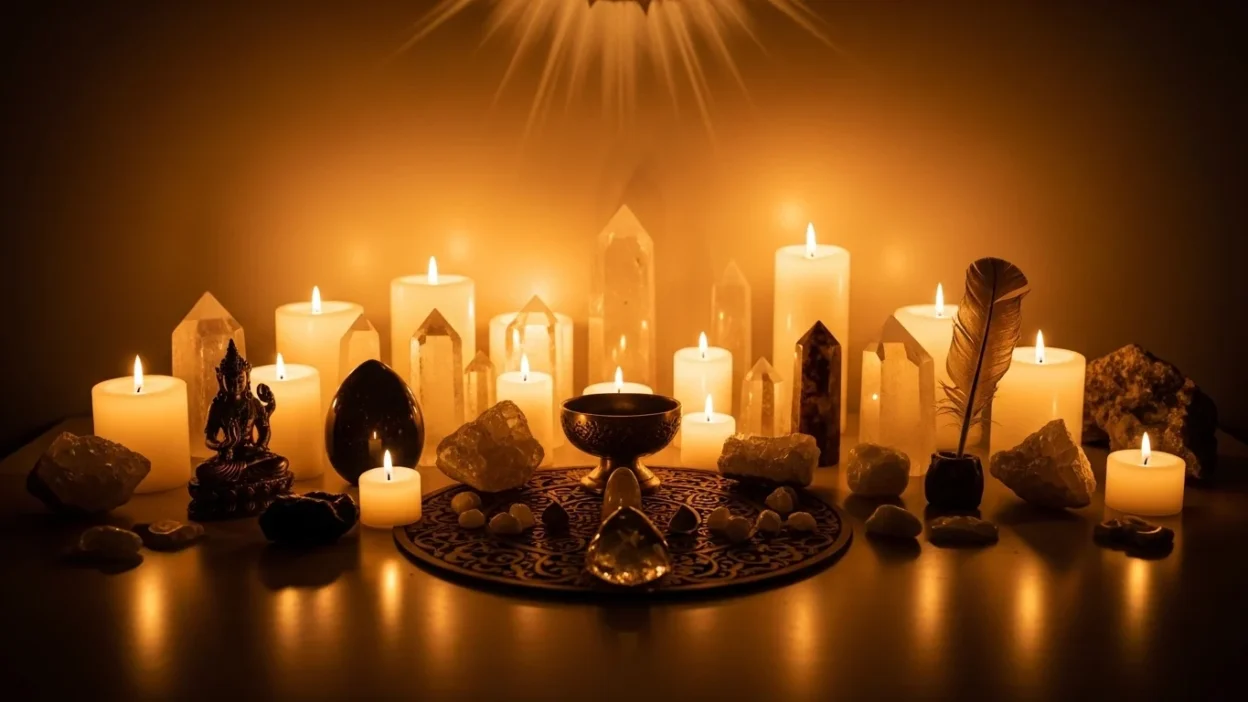
Altar symbolism has been a powerful part of human spirituality for thousands of years, representing a sacred space where the physical and spiritual worlds meet.
Across different religions, traditions, and cultures, the altar stands as a symbol of devotion, sacrifice, and divine connection. Understanding altar symbolism helps us see why this sacred structure continues to hold deep emotional and spiritual meaning even in modern times.
In this article, we will explore the origins, interpretations, and evolving significance of altar symbolism in religion, history, art, and daily spiritual practice.
Altar Symbolism Meaning
Altar symbolism refers to the meaning attached to an altar as a sacred structure or space used for worship, offerings, or spiritual connection. Traditionally, it represents a bridge between humans and the divine.
At its core, an altar symbolizes:
- A place of sacrifice and offering
- A meeting point between heaven and earth
- A space of prayer, devotion, and reflection
It is often seen as the heart of spiritual practice in many belief systems.
What Does Altar Symbolism Represent?
Altar symbolism represents multiple layers of meaning depending on cultural and religious context. However, some universal themes remain consistent.
Key representations include:
- Divine presence and communication
- Sacrifice and surrender
- Gratitude and worship
- Spiritual transformation
- Sacred intention and focus
These meanings make the altar a powerful spiritual anchor in both ancient and modern practices.
Spiritual Meaning of Altar Symbolism
Spiritually, altar symbolism is deeply connected to inner transformation and higher awareness. It is not just a physical structure but also a metaphor for the human heart and consciousness.
A sacred altar often symbolizes:
- Inner peace and mindfulness
- Connection to higher self or divine energy
- Emotional healing and release
- A place for prayer and manifestation
Many people create personal altars at home to support meditation, gratitude rituals, and spiritual grounding.
Biblical / Religious Meaning of Altar Symbolism
In biblical and religious contexts, altar symbolism is strongly associated with sacrifice, covenant, and worship.
In the Bible, altars were used for:
- Offerings to God
- Making covenants and promises
- Acts of repentance and gratitude
For example, in Christianity and Judaism, altars symbolize obedience, faith, and devotion to God. In Islam, although formal altars are not used in worship, sacred space and direction during prayer reflect similar symbolic devotion and focus.
Altar Symbolism in History and Culture
Throughout history, altar symbolism has evolved but remained spiritually significant.
In ancient civilizations:
- Egyptians used altars for offerings to gods
- Greeks built altars for rituals and sacrifices
- Indigenous cultures used natural altars like stones or fire sites
Common cultural meanings include:
- Communication with ancestors or spirits
- Marking sacred spaces
- Performing rituals for protection or blessing
Altars have always reflected humanity’s desire to connect with the unseen world.
Altar Symbolism in Literature and Art
In literature and art, altar symbolism is often used to express themes of devotion, sacrifice, and transformation.
Artists and writers use altars to symbolize:
- Emotional surrender or loss
- Spiritual awakening
- Moral choices or sacrifice
- Divine judgment or blessing
Paintings often depict altars as glowing focal points, highlighting their sacred importance and emotional depth.
Dream Meaning of Altar Symbolism
Dreaming of altar symbolism often reflects your inner spiritual state or emotional needs.
Common interpretations include:
- Seeing an altar: desire for guidance or clarity
- Praying at an altar: need for healing or forgiveness
- Destroyed altar: loss of faith or emotional conflict
- Building an altar: spiritual growth or new beginnings
Such dreams often suggest a deep connection to personal beliefs or life direction.
Modern Meaning of Altar Symbolism
In modern times, altar symbolism has expanded beyond traditional religion. Many people now use personal altars for mindfulness, self reflection, and emotional balance.
Today, altars may symbolize:
- Self care and mental clarity
- Spiritual independence
- Meditation and energy focus
- Personal belief systems
Modern altar spaces can be simple—candles, crystals, photos, or meaningful objects that inspire peace and intention.
Symbolic Meanings of Altar Symbolism
| Symbolic Element | Meaning |
| Fire/Candles | Purification and divine light |
| Stone/Structure | Stability and sacred foundation |
| Offerings | Gratitude and surrender |
| Height/Elevation | Connection to the divine |
| Water | Cleansing and emotional healing |
FAQs About Altar Symbolism
What is the main meaning of altar symbolism?
Altar symbolism mainly represents a sacred connection between humans and the divine, often involving worship, prayer, or sacrifice.
Why are altars considered sacred?
Altars are considered sacred because they are dedicated spaces for spiritual communication, reflection, and divine offerings.
Can altar symbolism be non religious?
Yes, modern altar symbolism can represent mindfulness, intention setting, and personal spiritual growth without religious context.
What does an altar symbolize in dreams?
In dreams, an altar often symbolizes spiritual needs, emotional healing, or a desire for guidance and clarity.
Conclusion
Altar symbolism continues to hold timeless meaning across cultures, religions, and personal spiritual practices.
Whether used in ancient rituals or modern mindfulness spaces, the altar remains a powerful symbol of connection, devotion, and transformation in human life.

“Alex Fokes is a visionary entrepreneur and tech enthusiast, dedicated to exploring innovation, digital trends, and creative solutions. He shares insights to educate and inspire audiences globally.”