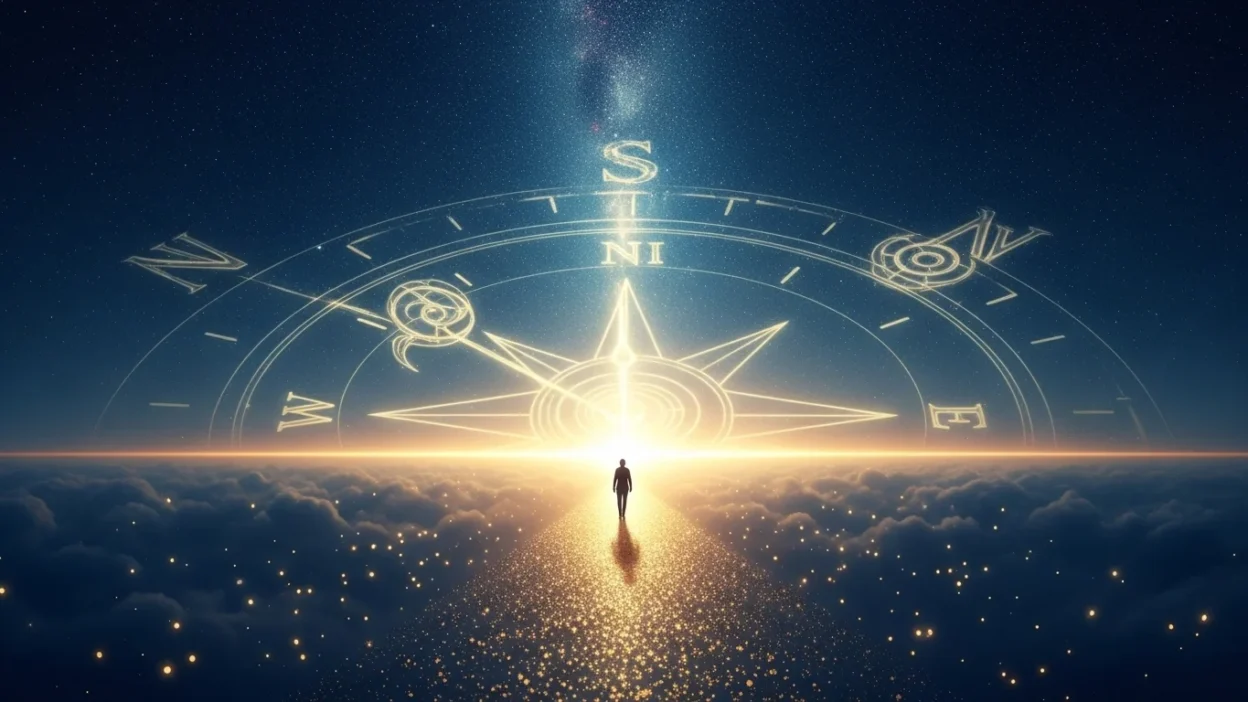
Destiny symbolism explores the idea that life follows a meaningful path shaped by purpose, fate, and personal choices.
For centuries, people have searched for signs, patterns, and symbols that point toward their destiny whether through spiritual beliefs, literature, or everyday experiences.
Understanding destiny symbolism can help you reflect on your life direction, recognize meaningful moments, and feel more connected to a greater purpose.
Destiny Symbolism Meaning
Destiny symbolism refers to symbols, signs, or concepts that represent a predetermined path or life purpose. It combines the idea of fate, free will, and life journey meaning into a symbolic framework that helps people interpret their experiences.
In simple terms:
Destiny symbolism = the belief that certain signs or events point toward your life’s purpose.
What Does Destiny Symbolism Represent?
Destiny symbolism represents several powerful life concepts:
- Purpose and direction – A sense that life is guided toward a meaningful goal
- Fate vs free will – The balance between what is meant to happen and what we choose
- Life path symbolism – The journey each person takes through challenges and growth
- Transformation – Change as part of reaching one’s destiny
- Connection to something greater – Whether spiritual, universal, or philosophical
Common Symbols of Destiny
| Symbol | Meaning |
| Path or road | Life journey and direction |
| Thread or web | Interconnected fate and choices |
| Compass | Guidance toward purpose |
| Stars | Divine direction or destiny |
| Clock or time | Timing and inevitability |
Spiritual Meaning of Destiny Symbolism
Spiritually, destiny symbolism is often linked to the idea that life unfolds according to a higher plan. Many belief systems suggest that your soul has a purpose, and destiny is the path toward fulfilling it.
Key spiritual interpretations include:
- Soul purpose – Your reason for being here
- Universal guidance – Signs from the universe helping you stay on track
- Karmic journey – Actions influencing future outcomes
- Alignment – Being in harmony with your true self
People often interpret repeated patterns, coincidences, or intuitive feelings as signs of destiny guiding them.
Biblical / Religious Meaning of Destiny Symbolism
In religious contexts, destiny symbolism often connects to divine will and purpose.
- In Christianity, destiny may be seen as part of God’s plan, where each person has a role to fulfill
- In Islam, the concept of Qadr (divine decree) reflects that destiny is known and guided by God
- In Hinduism and Buddhism, destiny is influenced by karma, where actions shape future experiences
Across religions, destiny symbolism emphasizes trust, faith, and moral responsibility.
Destiny Symbolism in History and Culture
Throughout history, cultures have embraced destiny symbolism in different ways:
- Ancient Greeks believed in the Fates, who controlled human destiny
- Norse mythology spoke of the Norns, who wove the fate of gods and humans
- Eastern traditions emphasized balance between destiny and personal effort
- Indigenous cultures often saw destiny as deeply connected to nature and ancestral paths
These perspectives show that destiny symbolism has always helped humans understand uncertainty and purpose.
Destiny Symbolism in Literature and Art
Destiny symbolism is a powerful theme in storytelling and creative expression.
In literature:
- Characters often struggle between fate and free will
- Destiny drives plots involving prophecy, transformation, or self-discovery
In art:
- Symbols like spirals, paths, and celestial elements represent life direction
- Visual storytelling often explores the tension between control and surrender
Destiny symbolism helps audiences connect emotionally with the idea that life has meaning beyond randomness.
Dream Meaning of Destiny Symbolism
Dreams often use destiny symbolism to reflect your subconscious thoughts about life direction.
Common dream interpretations:
- Walking a path – You are exploring your life choices
- Crossroads – A major decision is approaching
- Following a light or star – Seeking purpose or guidance
- Missing a train or opportunity – Fear of losing your path
Dreams can act as inner signals, encouraging reflection on your goals and direction.
Modern Meaning of Destiny Symbolism
Today, destiny symbolism blends traditional beliefs with personal development ideas.
Modern interpretations focus on:
- Self-discovery – Finding your passion and purpose
- Mindset and growth – Creating your own destiny through choices
- Synchronicity – Meaningful coincidences guiding decisions
- Empowerment – Taking responsibility for your life path
Rather than seeing destiny as fixed, many people now view it as something shaped through both intention and opportunity.
FAQs About Destiny Symbolism
What is destiny symbolism in simple terms?
Destiny symbolism refers to signs or symbols that suggest your life follows a meaningful path or purpose.
Is destiny predetermined or created?
It can be both some believe destiny is fixed, while others think it evolves through choices and actions.
What are common symbols of destiny?
Paths, stars, threads, and compasses are widely recognized symbols representing guidance, purpose, and life direction.
How do I recognize destiny symbolism in my life?
Look for repeated patterns, meaningful coincidences, and strong intuitive feelings about certain decisions or directions.
Does destiny symbolism have spiritual meaning?
Yes, it often reflects beliefs about soul purpose, universal guidance, and alignment with a higher plan.
Conclusion
Destiny symbolism invites you to see your life as more than a series of random events.
Whether you believe in fate, free will, or a blend of both, these symbols offer a powerful way to reflect on your purpose, choices, and direction.
By paying attention to the signs and patterns around you, you may find deeper meaning in your journey and a clearer sense of where you’re meant to go.

“Alex Fokes is a visionary entrepreneur and tech enthusiast, dedicated to exploring innovation, digital trends, and creative solutions. He shares insights to educate and inspire audiences globally.”