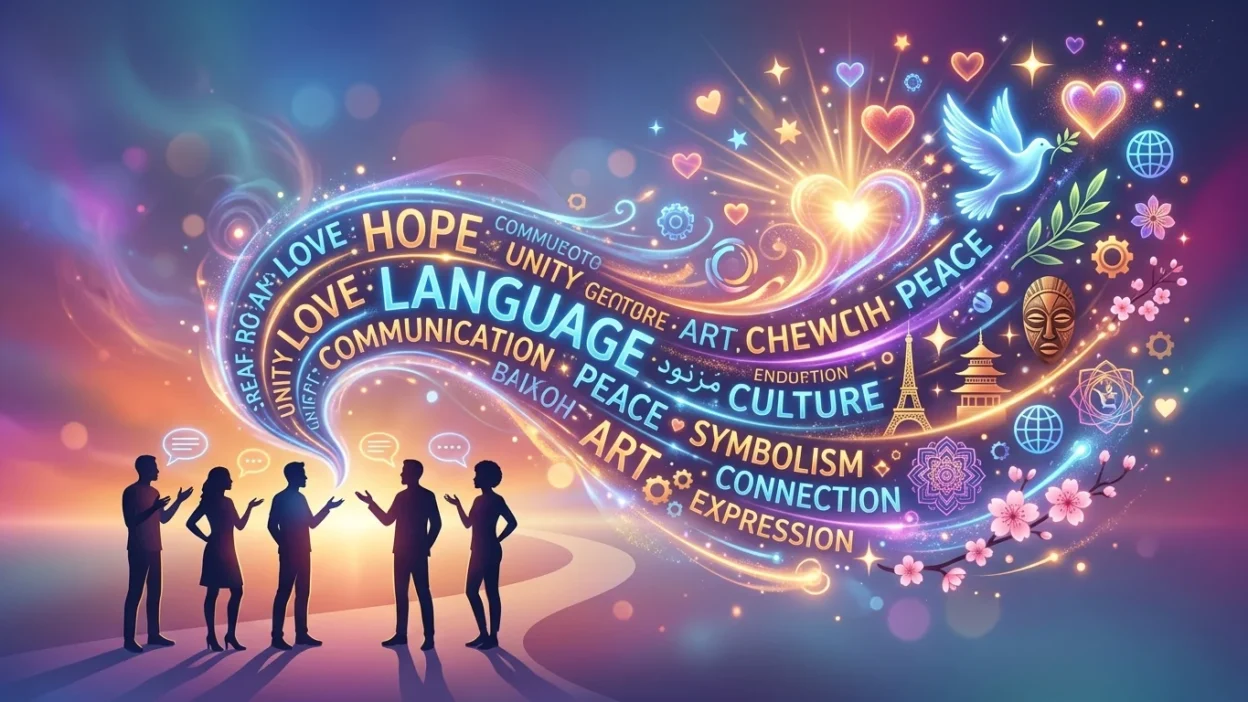
Language symbolism is more than just words it’s a powerful system of signs, meanings, and cultural expression.
Every language carries symbolic weight, shaping how people think, feel, and connect with the world. From metaphors and idioms to tone and structure, language symbolism reveals deeper layers of human experience and shared understanding.
In this guide, you’ll explore what language symbolism really means, how it influences culture and spirituality, and why it matters in everyday life.
Language Symbolism Meaning
Language symbolism refers to the use of words, sounds, and structures to represent deeper meanings beyond their literal definition. It involves how language conveys ideas, emotions, and concepts symbolically rather than directly.
In simple terms:
- Words are not just labels they carry hidden meanings
- Language reflects cultural beliefs and values
- Symbols in language shape how we interpret reality
What Does Language Symbolism Represent?
Language symbolism represents the connection between words and deeper meaning. It acts as a bridge between thought and expression.
Here’s what it commonly symbolizes:
- Identity – Language reflects who we are and where we come from
- Emotion – Words can carry emotional weight beyond their literal sense
- Culture – Symbolism varies across societies and traditions
- Power – Language can influence perception and behavior
- Reality shaping – The way we speak can shape how we think
Common Symbolic Elements in Language
| Element | Symbolic Meaning |
| Metaphors | Abstract ideas made relatable |
| Idioms | Cultural wisdom and shared experience |
| Colors in words | Emotional or cultural associations |
| Animal references | Traits like strength, cunning, or loyalty |
| Tone & style | Social hierarchy or emotional context |
Spiritual Meaning of Language Symbolism
Spiritually, language symbolism is seen as a tool for expressing the ineffable things beyond ordinary understanding.
Many traditions believe:
- Words carry vibrational energy
- Sacred languages hold divine power
- Chanting or mantras influence spiritual states
For example, repeated phrases in meditation are not just sounds they symbolize focus, intention, and transformation.
Biblical / Religious Meaning of Language Symbolism
In religious contexts, language symbolism plays a central role in conveying divine messages.
In biblical traditions:
- Parables use symbolic language to teach moral lessons
- Words like “light” symbolize truth or divine presence
- “Water” often represents purification or life
Sacred texts rely heavily on symbolic storytelling to communicate complex spiritual truths in an accessible way.
Language Symbolism in History and Culture
Throughout history, language symbolism has shaped civilizations and communication systems.
Key examples include:
- Ancient hieroglyphs representing both objects and ideas
- Proverbs encoding cultural wisdom
- Political language influencing public perception
Different cultures assign different symbolic meanings to the same words or images, making language symbolism deeply context dependent.
Language Symbolism in Literature and Art
Writers and artists use language symbolism to create depth and emotional resonance.
Common uses include:
- Metaphor and imagery to evoke feelings
- Symbolic names representing character traits
- Repeated motifs highlighting central themes
In literature, language symbolism transforms simple narratives into multi layered experiences, allowing readers to interpret meaning in personal ways.
Dream Meaning of Language Symbolism
In dreams, language symbolism often appears in unusual or abstract forms.
You might experience:
- Words that feel meaningful but unclear
- Conversations filled with hidden messages
- Symbols replacing direct speech
Dream language symbolism reflects your subconscious mind, using indirect communication to reveal emotions, fears, or desires.
Modern Meaning of Language Symbolism
Today, language symbolism is more relevant than ever, especially in digital communication.
Modern examples include:
- Emojis acting as symbolic expressions of emotion
- Slang representing identity and social groups
- Hashtags symbolizing movements or ideas
In a fast paced world, symbolic language allows people to communicate complex ideas quickly and effectively.
FAQs About Language Symbolism
What is language symbolism in simple terms?
Language symbolism is when words or phrases represent deeper meanings beyond their literal definition.
Why is language symbolism important?
It helps people express complex ideas, emotions, and cultural values in a meaningful and relatable way.
How does language symbolism affect communication?
It adds depth and nuance, allowing messages to be interpreted on multiple levels.
Is language symbolism universal?
No, symbolic meanings vary across cultures and contexts, making interpretation dependent on background and experience.
Can language symbolism change over time?
Yes, meanings evolve as cultures, societies, and communication styles change.
Conclusion
Language symbolism is a powerful force that shapes how we understand the world and express ourselves. It transforms ordinary words into meaningful symbols, connecting emotion, culture, and thought in profound ways. By paying attention to these hidden meanings, you gain a deeper appreciation of communication and the richness of human expression.

“Alex Fokes is a visionary entrepreneur and tech enthusiast, dedicated to exploring innovation, digital trends, and creative solutions. He shares insights to educate and inspire audiences globally.”