
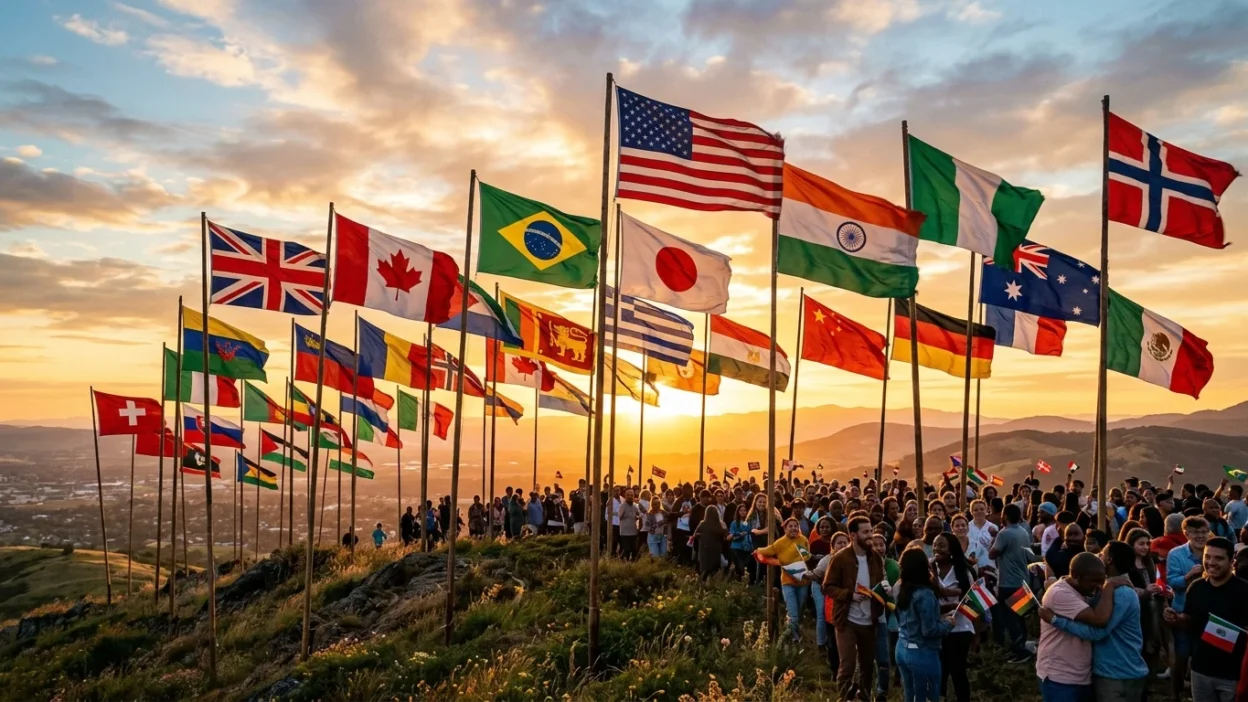
Flag symbolism plays a powerful role in how people express identity, unity, and values. From national pride to personal beliefs, flags carry deep meanings that go far beyond colors and shapes. Whether raised during celebrations, protests, or ceremonies, flags communicate messages without words. In this guide, you’ll discover the rich layers behind flag symbolism and why it continues to matter in modern life.
Flag Symbolism Meaning
Flag symbolism refers to the use of colors, shapes, patterns, and icons on flags to represent ideas, beliefs, and identities.
In simple terms:
- A flag is more than fabric it’s a visual language.
- Each element (color, star, stripe, emblem) carries meaning.
- These meanings often reflect history, culture, and values.
What Does Flag Symbolism Represent?
Flag symbolism represents a wide range of concepts depending on context. Most commonly, it expresses:
- National identity – Pride in a country or region
- Unity and solidarity – Bringing people together
- Freedom and independence – Historical struggles and victories
- Power and authority – Governments, institutions, or movements
- Cultural heritage – Traditions, beliefs, and shared history
Common Symbolic Meanings of Flag Elements
| Element | Symbolic Meaning |
| Colors | Emotions, values (e.g., red = courage) |
| Stars | Unity, states, or aspirations |
| Stripes | History, original groups, or unity |
| Circles | Wholeness, eternity |
| Animals | Strength, courage, identity |
| Religious Icons | Faith, spirituality |
Spiritual Meaning of Flag Symbolism
Spiritually, flag symbolism often represents higher ideals and collective consciousness.
Flags can symbolize:
- A shared spiritual journey
- Loyalty to a higher purpose
- Protection and divine guidance
- The connection between individuals and a greater whole
In many traditions, raising a flag is seen as an act of intention declaring alignment with certain values or energies.
Biblical / Religious Meaning of Flag Symbolism
In religious contexts, flags are often associated with banners of faith and divine identity.
In the Bible, banners (similar to flags) symbolize:
- God’s protection – A sign of refuge and strength
- Victory in spiritual battles
- Belonging to a divine kingdom
For example, the idea of a “banner over people” is used to represent love, guidance, and spiritual authority.
In other religions, flags may:
- Mark sacred spaces
- Represent prayers or blessings
- Serve as symbols of devotion
Flag Symbolism in History and Culture
Throughout history, flag symbolism has played a key role in shaping societies.
Historical Significance
- Ancient armies used flags to signal commands and identity
- Empires designed flags to display power and dominance
- Revolutions used flags as symbols of change and resistance
Cultural Importance
- Flags reflect traditions and shared values
- They are central to ceremonies, festivals, and national events
- They preserve stories of struggle, independence, and unity
Flags often evolve over time, adapting to new cultural meanings while preserving historical roots.
Flag Symbolism in Literature and Art
In literature and art, flag symbolism is often used to convey deeper emotional and political themes.
Writers and artists use flags to represent:
- Patriotism or nationalism
- Conflict and division
- Hope, rebellion, or resistance
- Identity and belonging
A flag in a story or painting can instantly signal power, emotion, or ideological tension without lengthy explanation.
Dream Meaning of Flag Symbolism
Dreaming about flags can reveal insights about your personal identity and emotional state.
Common Interpretations:
- Waving flag – Confidence, pride, or success
- Torn flag – Inner conflict or loss of identity
- Raising a flag – Achievement or new beginnings
- Lowered flag – Sadness, defeat, or reflection
In dreams, flag symbolism often connects to how you see yourself in relation to others or a larger purpose.
Modern Meaning of Flag Symbolism
Today, flag symbolism extends beyond nations into social and global movements.
Modern uses include:
- Activism and awareness – Representing causes and rights
- Personal identity flags – Expressing individuality and belonging
- Global unity symbols – Promoting peace and cooperation
Flags are now used both physically and digitally, making them even more influential in shaping opinions and communities.
FAQs About Flag Symbolism
What is the main purpose of flag symbolism?
Flag symbolism is used to visually represent identity, values, and beliefs, often uniting people under a shared meaning.
Why do different flags use specific colors?
Colors are chosen for their symbolic meanings, such as courage, peace, or sacrifice, depending on cultural and historical context.
Can flag symbolism change over time?
Yes, meanings can evolve as societies change, giving flags new interpretations while preserving their original significance.
What does a flag symbolize in dreams?
In dreams, flags often symbolize identity, emotions, or personal achievements, depending on the situation.
Are flags only national symbols?
No, flags also represent organizations, movements, religions, and personal identities in modern contexts.
Conclusion
Flag symbolism is a timeless form of expression that connects people through shared meaning, history, and identity. Whether representing nations, beliefs, or personal values, flags continue to inspire unity and communicate powerful messages across cultures and generations.

“Ellyse Perry, author of Symbobuz.com, is an accomplished sports icon and tech enthusiast, sharing insights on innovation, digital trends, and creativity to educate and inspire readers worldwide.”