Luck symbolism has fascinated people across cultures for centuries. From four-leaf clovers to lucky numbers, humans have always searched for signs that hint at fortune, protection, and success.
Whether you see luck as coincidence or cosmic guidance, its symbolism carries powerful meaning in everyday life, spirituality, and tradition.
Luck Symbolism Meaning
Luck symbolism refers to objects, signs, or beliefs that represent good or bad fortune. These symbols are often rooted in cultural traditions, spiritual ideas, or historical practices.
In simple terms, luck symbolism is the human way of giving meaning to chance turning randomness into something hopeful, protective, or cautionary.
What Does Luck Symbolism Represent?
Luck symbolism often represents:
- Opportunity and chance
- Protection from harm or negativity
- Prosperity and success
- Hope during uncertain times
- Spiritual guidance or destiny
At its core, luck symbolism reflects our desire to feel in control of life’s unpredictable moments.
Common Luck Symbols and Their Meanings
| Symbol | Meaning |
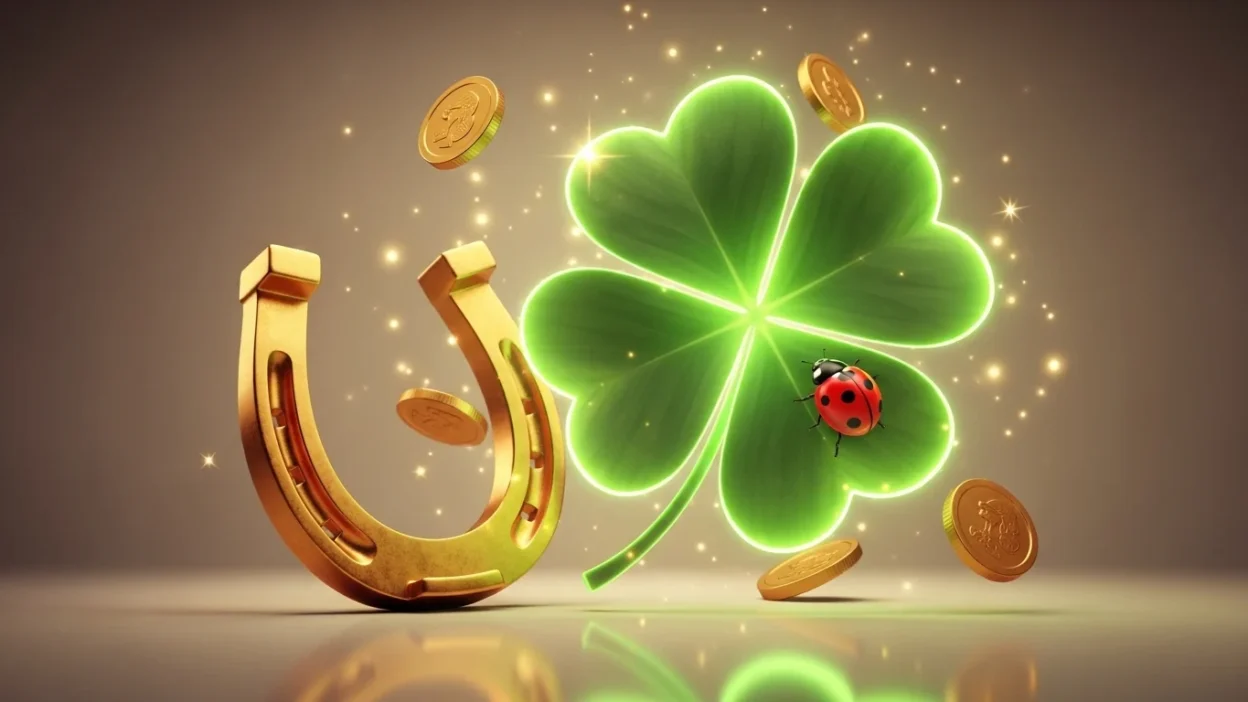
| Four-leaf clover | Rare luck, hope, faith, love |
| Horseshoe | Protection and good fortune |
| Lucky number 7 | Spiritual perfection, luck |
| Rabbit’s foot | Protection and success |
| Coin | Wealth and abundance |
| Ladybug | Joy and positive transformation |
Spiritual Meaning of Luck Symbolism
Spiritually, luck symbolism goes beyond chance. It often represents alignment with universal energy or divine timing.
Many believe that “luck” is actually:
- A sign you are in harmony with the universe
- A reminder to trust the process
- A reflection of your intentions and mindset
In this sense, luck becomes less about randomness and more about awareness and belief.
Biblical / Religious Meaning of Luck Symbolism
In many religious traditions, including Christianity, the concept of “luck” is often replaced with divine providence or blessing.
Rather than random fortune, outcomes are believed to be guided by:
- God’s will
- Faith and obedience
- Spiritual purpose
Some traditions caution against relying on luck symbols, emphasizing instead trust in divine guidance rather than superstition.
Luck Symbolism in History and Culture
Luck symbolism has deep roots across civilizations:
- In ancient cultures, amulets were worn for protection and fortune.
- In Asian traditions, certain numbers and colors are believed to attract prosperity.
- European folklore popularized symbols like horseshoes and clovers.
Different societies interpret luck in unique ways, but the underlying theme remains the same: a desire to attract positivity and avoid misfortune.
Luck Symbolism in Literature and Art
Writers and artists have long used luck symbolism to explore fate and human struggle.
In literature, luck often appears as:
- A turning point in a character’s journey
- A contrast between fate and free will
- A symbol of hope or irony
In art, lucky symbols are used to evoke:
- Prosperity
- Joy
- Protection
These creative expressions show how deeply luck symbolism is woven into human storytelling.
Dream Meaning of Luck Symbolism
Seeing luck symbols in dreams can carry meaningful messages.
Common interpretations include:
- Finding a lucky object: New opportunities are coming
- Losing a lucky charm: Fear of failure or loss of control
- Repeated lucky signs: Confidence and inner alignment
Dreams involving luck symbolism often reflect your mindset about success, risk, and belief in yourself.
Modern Meaning of Luck Symbolism
Today, luck symbolism blends tradition with personal belief.
Modern interpretations often focus on:
- Positive thinking and mindset
- Manifestation and intention-setting
- Self-confidence and preparedness
Many people now see luck as something you create through actions, attitude, and awareness not just something that happens to you.
FAQs About Luck Symbolism
What is the most common symbol of luck?
The four-leaf clover is widely considered the most recognized symbol of good luck due to its rarity and positive associations.
Is luck symbolism the same in every culture?
No, different cultures have unique symbols and meanings, though many share similar themes of protection and prosperity.
Can luck symbols actually influence outcomes?
While not scientifically proven, they can influence mindset, confidence, and decision-making, which may affect results.
Why do people believe in luck symbolism?
It provides comfort, hope, and a sense of control in uncertain situations.
Is luck real or just perception?
It can be both some see it as chance, while others view it as a mix of preparation, timing, and belief.
Conclusion
Luck symbolism is more than superstition it’s a reflection of human hope, belief, and the desire to find meaning in uncertainty.
Whether rooted in culture, spirituality, or personal mindset, these symbols remind us to stay open to opportunity and trust the journey ahead.

“Ellyse Perry, author of Symbobuz.com, is an accomplished sports icon and tech enthusiast, sharing insights on innovation, digital trends, and creativity to educate and inspire readers worldwide.”