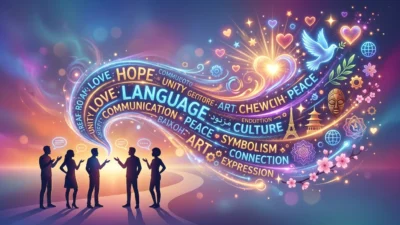

Voice symbolism explores how the human voice represents identity, emotion, power, and inner truth. Beyond simple communication, a voice carries deep symbolic meaning it can reveal confidence, fear, authority, or vulnerability. Whether in literature, spirituality, or everyday life, the symbolism of voice reflects who we are and how we connect with others.
Voice Symbolism Meaning
Voice symbolism refers to the idea that a person’s voice represents more than sound it symbolizes self expression, personal power, and emotional truth.
In symbolic terms, the voice often stands for:
- Identity and individuality
- Freedom of expression
- Inner thoughts and authenticity
- Influence and authority
What Does Voice Symbolism Represent?
The symbolism of voice can shift depending on context, but it often carries universal meanings tied to human experience.
Key Representations of Voice Symbolism:
- Self expression: The ability to speak your truth openly
- Power and authority: A strong voice can command respect and leadership
- Emotion: Tone and pitch reflect feelings more deeply than words alone
- Freedom: Having a voice often symbolizes independence and rights
- Connection: Voice bridges communication between individuals
Summary of Voice Symbolism
| Symbolic Aspect | Meaning |
| Clear Voice | Confidence and honesty |
| Lost Voice | Fear, suppression, or lack of control |
| Loud Voice | Authority or dominance |
| Soft Voice | Gentleness, vulnerability |
| Echoing Voice | Lasting impact or unresolved thoughts |
Spiritual Meaning of Voice Symbolism
Spiritually, the voice is often seen as a channel between the inner self and the outer world. It reflects alignment with truth and higher awareness.
Many traditions connect voice symbolism with:
- Inner truth: Speaking honestly reflects spiritual clarity
- Energy centers: The throat is linked to communication and authenticity
- Manifestation: Words spoken aloud are believed to shape reality
A strong, clear voice in spiritual symbolism often represents balance and self awareness.
Biblical / Religious Meaning of Voice Symbolism
In religious contexts, voice symbolism is deeply significant.
In many teachings:
- The voice represents divine communication
- Hearing a voice can symbolize guidance or revelation
- Speaking truth reflects faith and righteousness
For example, in sacred texts, a “voice from above” often signifies divine authority or spiritual awakening.
Voice Symbolism in History and Culture
Throughout history, voice symbolism has been tied to power and influence.
- In ancient societies, orators and leaders were valued for their voices
- Public speaking symbolized authority and wisdom
- Silence or lack of voice often represented oppression or marginalization
Culturally, phrases like “finding your voice” still symbolize empowerment and identity.
Voice Symbolism in Literature and Art
In literature and art, voice symbolism plays a major role in character development and storytelling.
Writers often use voice to symbolize:
- Identity struggles: Characters searching for their voice
- Control vs. suppression: Silenced voices representing injustice
- Narrative perspective: The “voice” of a story shaping its meaning
In poetry, a voice can represent the soul, conscience, or hidden truth.
Dream Meaning of Voice Symbolism
Dreams involving voice often carry powerful emotional and psychological meanings.
Common Interpretations:
- Losing your voice: Feeling unheard or powerless in real life
- Shouting but no sound: Frustration or suppressed emotions
- Hearing a mysterious voice: Intuition or subconscious guidance
- Clear speaking: Confidence and self assurance
Voice related dreams often reflect your ability (or struggle) to express yourself.
Modern Meaning of Voice Symbolism
Today, voice symbolism is closely linked to identity, empowerment, and communication.
In modern contexts:
- “Using your voice” means standing up for beliefs
- Social platforms amplify symbolic voice as influence and presence
- Voice represents personal branding and authenticity
In a world driven by communication, voice remains one of the strongest symbols of individuality and power.
FAQs About Voice Symbolism
What does voice symbolize in general?
Voice symbolizes self expression, identity, and the ability to communicate thoughts, emotions, and truth.
What does losing your voice symbolize?
It often represents fear, suppression, or feeling unheard in a situation.
What is the spiritual meaning of voice?
Spiritually, voice symbolizes truth, inner alignment, and the expression of one’s authentic self.
What does a strong voice symbolize?
A strong voice represents confidence, authority, and leadership.
Why is voice important symbolically?
Because it reflects personal power and the ability to influence, connect, and express individuality.
Conclusion
Voice symbolism reminds us that our voice is more than sound it’s a reflection of who we are. Whether expressing truth, claiming power, or connecting with others, the voice carries deep meaning across cultures, spirituality, and everyday life. Finding and using your voice is, in many ways, discovering your true self.