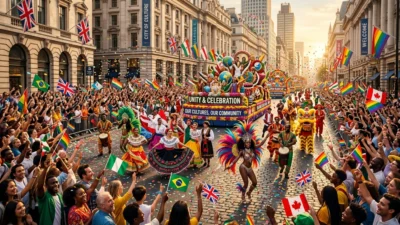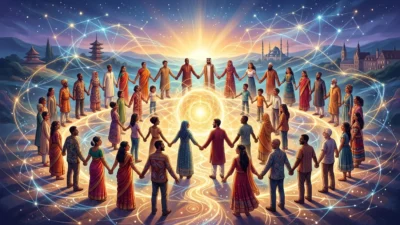
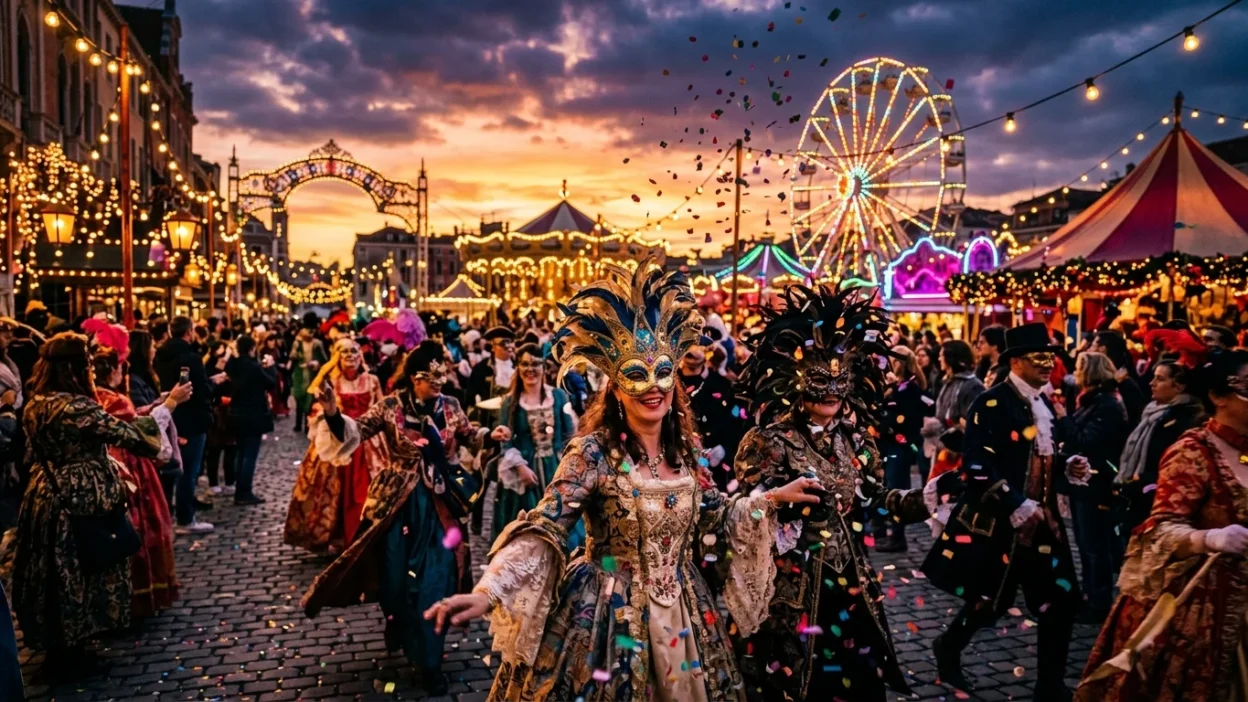
Carnival symbolism goes far beyond colorful costumes and lively parades. At its core, carnival symbolism reflects freedom, transformation, and the temporary breaking of social rules.
Across cultures and centuries, carnivals have represented a unique space where people step outside everyday life and embrace joy, identity, and even rebellion.
Let’s explore the deeper meanings behind carnival symbolism and why it continues to captivate people worldwide.
Carnival Symbolism Meaning (Clear Definition)
Carnival symbolism refers to the deeper meanings associated with carnival celebrations, including themes of freedom, transformation, social inversion, and human expression.
In simple terms:
Carnival symbolizes a temporary escape from normal life, where rules are relaxed, identities shift, and joy takes center stage.
What Does Carnival Symbolism Represent?
Carnival symbolism represents a rich mix of emotional, cultural, and psychological ideas:
- Freedom and Liberation – Letting go of restrictions and embracing spontaneity
- Transformation and Identity – Masks and costumes allow people to become someone new
- Social Inversion – Traditional roles and hierarchies are reversed
- Joy and Celebration – A collective release of happiness and energy
- Chaos and Order Balance – A controlled form of disorder before returning to structure
These themes explain why carnivals often feel both exciting and meaningful they reflect parts of human nature that are usually hidden.
Spiritual Meaning of Carnival Symbolism
Spiritually, carnival symbolism is about release and renewal.
It represents:
- Letting go of emotional burdens
- Reconnecting with your authentic self
- Embracing both light and shadow aspects of life
The use of masks symbolizes the idea that identity is fluid, and sometimes stepping into a different role can reveal deeper truths about who you are.
Biblical / Religious Meaning of Carnival Symbolism
In many traditions, carnival is closely tied to religious calendars, especially before periods of fasting like Lent.
Religiously, carnival symbolism can represent:
- Human indulgence before sacrifice
- The contrast between sin and discipline
- Preparation for spiritual reflection
It highlights the balance between earthly pleasures and spiritual responsibility, reminding people of both their humanity and their faith.
Carnival Symbolism in History and Culture
Historically, carnival symbolism has roots in ancient festivals and medieval traditions.
In many cultures:
- Carnivals were times when peasants and elites mixed freely
- Authority figures could be mocked without consequence
- Society allowed temporary disorder to maintain long term balance
Famous global celebrations from Brazil to Europe carry similar symbolic threads:
- Unity through celebration
- Cultural identity and pride
- Collective emotional release
Carnival became a safe space for expressing ideas that were otherwise restricted.
Carnival Symbolism in Literature and Art
In literature and art, carnival symbolism is often used to explore deeper human themes.
Writers and artists use carnival settings to represent:
- Freedom from societal norms
- Hidden truths emerging in chaos
- Duality of human nature
Carnival scenes often blur reality and illusion, showing how easily roles and identities can shift. This makes them powerful tools for storytelling and social commentary.
Dream Meaning of Carnival Symbolism
Dreaming about carnival symbolism can carry powerful personal messages.
Common interpretations include:
- Seeing a carnival – Desire for excitement or escape
- Wearing a mask – Hiding your true self or exploring identity
- Crowded carnival – Feeling overwhelmed or socially pressured
- Joyful carnival – Emotional release and happiness
Dreams involving carnivals often reflect your relationship with freedom, identity, and emotional expression.
Modern Meaning of Carnival Symbolism
Today, carnival symbolism still resonates strongly, even outside traditional festivals.
In modern life, it represents:
- Self expression through fashion and creativity
- Breaking routines and embracing joy
- Celebrating diversity and individuality
Events, parties, and even online spaces sometimes recreate carnival like environments where people feel free to express themselves without judgment.
Summary of Carnival Symbolism
| Symbolic Element | Meaning |
| Masks | Hidden identity, transformation |
| Costumes | Freedom of expression |
| Parades | Unity and shared experience |
| Music & Dance | Emotional release and joy |
| Chaos | Temporary escape from order |
| Role Reversal | Questioning social structures |
FAQs About Carnival Symbolism
What is the main meaning of carnival symbolism?
Carnival symbolism primarily represents freedom, transformation, and the temporary suspension of social norms.
Why are masks important in carnival symbolism?
Masks symbolize hidden identity and the ability to explore different versions of oneself without judgment.
Is carnival symbolism spiritual?
Yes, it often reflects emotional release, renewal, and deeper self discovery through temporary freedom from societal roles.
What does a carnival symbolize in dreams?
It usually symbolizes a desire for escape, excitement, or exploration of identity and emotions.
How is carnival symbolism relevant today?
It reflects modern values like individuality, creativity, and the need for emotional expression in everyday life.
Conclusion
Carnival symbolism is a powerful reminder that life isn’t only about rules and structure it’s also about freedom, joy, and transformation. By stepping outside the ordinary, even briefly, we reconnect with deeper parts of ourselves and return renewed.

“Martain Cooper, founder and author of Symbobuz.com, is a passionate technology enthusiast and writer, sharing insights on innovation, digital trends, and creative solutions to inspire readers worldwide.”