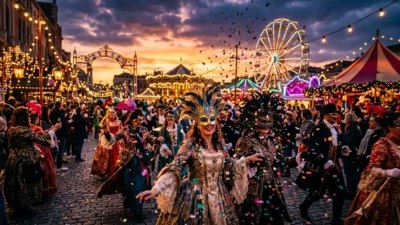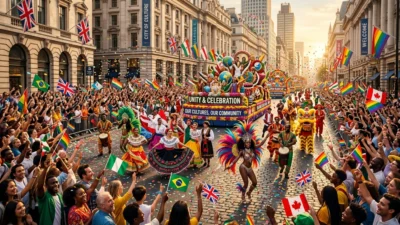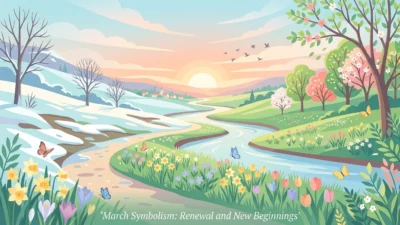
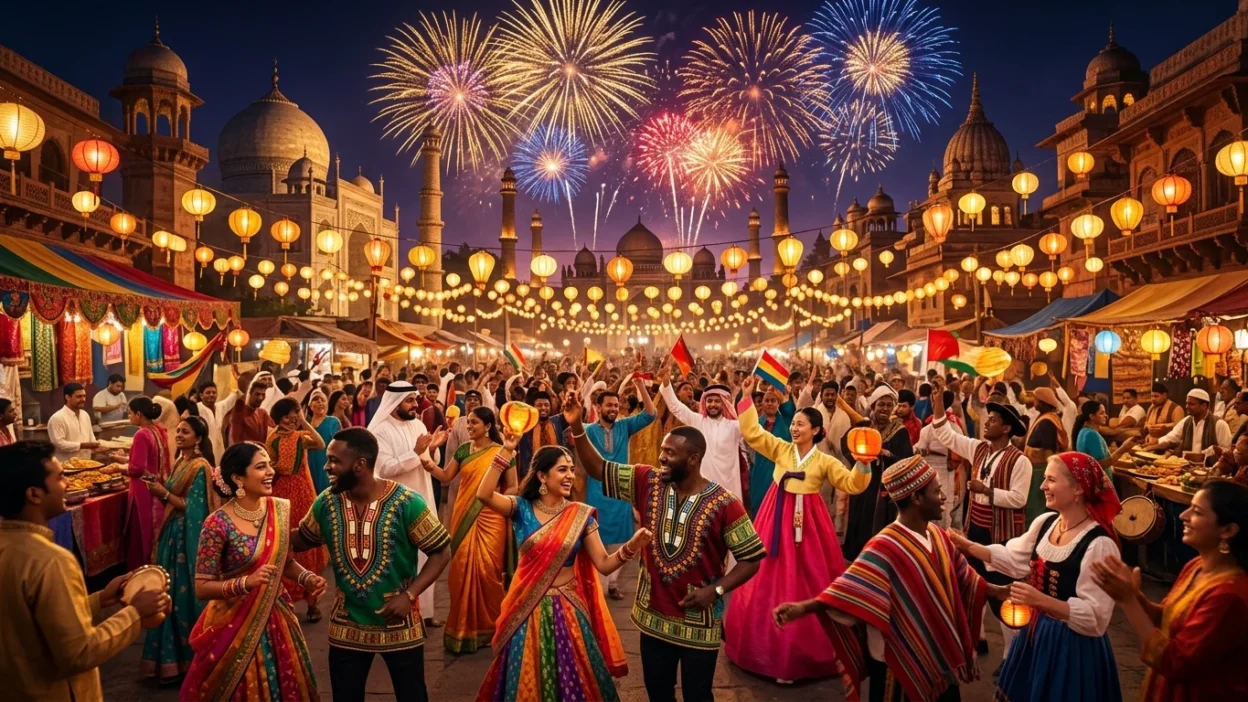
Festival symbolism reveals the deeper meanings behind celebrations, traditions, and rituals that people observe across cultures. From lights and colors to food and music, every element of a festival carries a message often rooted in history, spirituality, and shared human values. Understanding festival symbolism helps us connect more deeply with traditions and appreciate why they continue to matter today.
Festival Symbolism Meaning
Festival symbolism refers to the use of objects, actions, colors, and rituals within festivals to represent deeper ideas such as renewal, hope, victory, unity, or spiritual awakening.
In simple terms, festivals are not just events they are meaningful expressions where every detail stands for something larger than itself.
What Does Festival Symbolism Represent?
Festival symbolism represents universal human experiences and values that transcend time and geography.
Some common symbolic themes include:
- Renewal and rebirth (e.g., spring festivals)
- Victory of good over evil
- Gratitude and abundance
- Community and unity
- Spiritual cleansing and enlightenment
Common Symbolic Elements in Festivals
| Symbol | Meaning | Example Usage |
| Light | Hope, knowledge, victory | Lamps, candles |
| Fire | Purification, transformation | Bonfires |
| Colors | Emotion, energy, identity | Powders, decorations |
| Food | Blessings, prosperity | Shared meals |
| Music | Joy, unity | Drums, songs |
Spiritual Meaning of Festival Symbolism
On a spiritual level, festival symbolism often reflects the journey of the soul. Many festivals are designed to:
- Encourage inner reflection
- Promote spiritual growth
- Symbolize the cycle of life and death
- Strengthen the connection between humans and the divine
For example, lighting a candle may symbolize removing darkness from one’s life, both literally and spiritually.
Biblical / Religious Meaning of Festival Symbolism
In religious contexts, festival symbolism carries sacred significance.
- In Christianity, light often symbolizes divine presence and salvation
- In Islam, festivals like Eid symbolize gratitude, sacrifice, and compassion
- In Hinduism, festivals reflect cosmic balance and divine victory
- In Judaism, festivals often commemorate historical deliverance and faith
These symbolic elements help believers remember important teachings and reinforce their spiritual identity.
Festival Symbolism in History and Culture
Historically, festival symbolism developed as a way for communities to explain natural events and celebrate milestones.
Ancient societies used festivals to mark:
- Seasonal changes (harvest, winter, spring)
- Agricultural cycles
- Historical victories or events
- Religious observances
Over time, these symbols became deeply embedded in cultural traditions, passed down through generations.
Festival Symbolism in Literature and Art
Festival symbolism has long inspired writers and artists.
In literature, festivals often symbolize:
- Turning points in a story
- Emotional transformation
- Cultural identity
In visual art, elements like masks, lights, and dances represent deeper themes such as freedom, mystery, and celebration of life.
Artists use festival imagery to evoke emotion and connect audiences to shared human experiences.
Dream Meaning of Festival Symbolism
Dreaming about festivals can carry powerful symbolic meanings.
Common interpretations include:
- Attending a festival → Desire for joy or connection
- Crowded celebration → Feeling overwhelmed or socially engaged
- Colorful festivals → Creativity and emotional expression
- Missing a festival → Fear of missing opportunities
Dream symbolism often reflects your emotional state and personal desires.
Modern Meaning of Festival Symbolism
Today, festival symbolism continues to evolve while retaining its core meanings.
In modern society, festivals symbolize:
- Cultural identity and pride
- Global unity and diversity
- Celebration of life despite challenges
- Social connection in a digital world
Even in contemporary settings, symbolic elements like lights, music, and rituals remain powerful tools for bringing people together.
FAQs About Festival Symbolism
What is festival symbolism in simple terms?
Festival symbolism is the deeper meaning behind the rituals, objects, and traditions used during celebrations.
Why is festival symbolism important?
It helps preserve culture, convey values, and create emotional and spiritual connections among people.
Do all festivals have symbolic meanings?
Yes, most festivals include symbols that represent beliefs, history, or shared human experiences.
How does festival symbolism differ across cultures?
While symbols vary, many themes like hope, renewal, and unity are universal across cultures.
Can festival symbolism change over time?
Yes, meanings can evolve as societies change, but core symbolic ideas often remain the same.
Conclusion
Festival symbolism transforms celebrations into meaningful experiences. It connects the past with the present, the physical with the spiritual, and individuals with their communities. By understanding these hidden meanings, festivals become more than just events they become powerful expressions of human life, belief, and connection.

“Ellyse Perry, author of Symbobuz.com, is an accomplished sports icon and tech enthusiast, sharing insights on innovation, digital trends, and creativity to educate and inspire readers worldwide.”