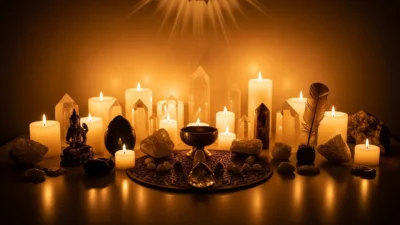
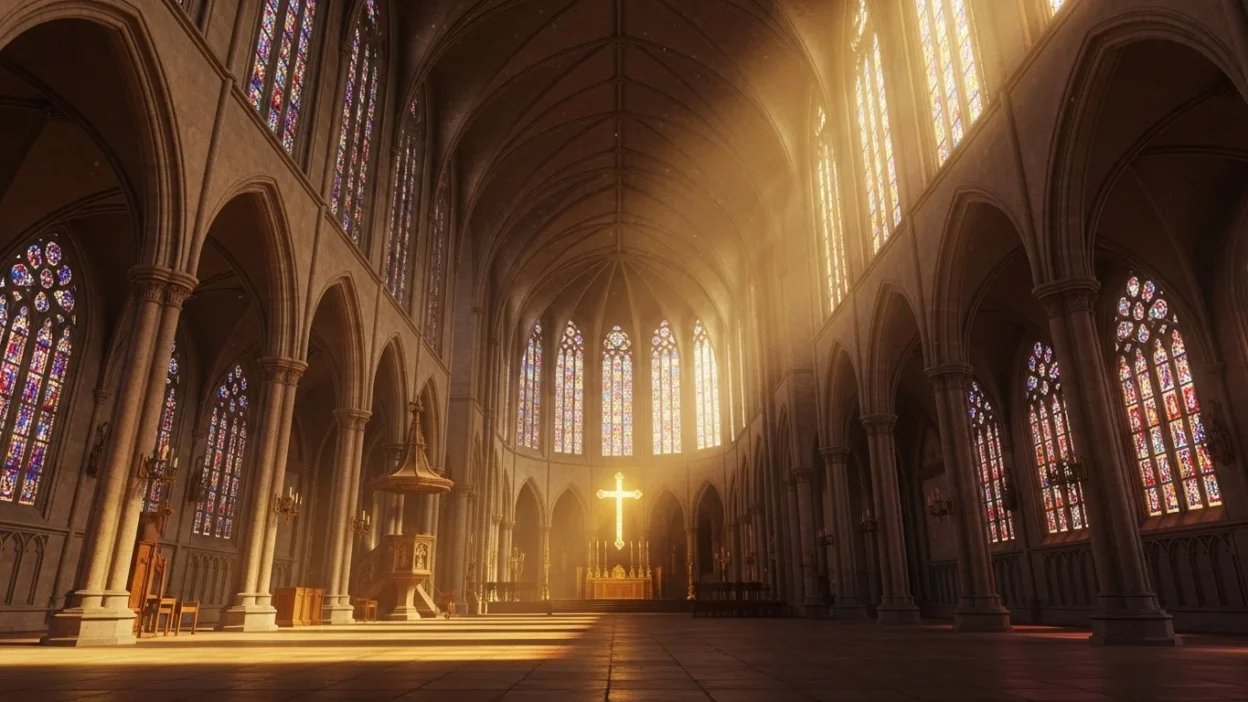
Church symbolism plays a powerful role in shaping how people understand faith, spirituality, and sacred spaces.
From ancient architecture to modern worship spaces, church symbolism reflects deep spiritual truths and cultural traditions. It helps believers connect physical structures with invisible meanings such as faith, hope, and divine presence.
Across centuries, churches have been designed not just as buildings but as visual expressions of belief. Every shape, color, and object carries meaning that guides worshippers toward reflection and devotion.
Church Symbolism Meaning
Church symbolism refers to the use of physical elements such as architecture, objects, and artwork to represent spiritual ideas within Christianity. These symbols help communicate religious truths in a visual and emotional way.
In simple terms, church symbolism is the language of faith expressed through structure, design, and sacred imagery.
Common elements include:
- The cross representing sacrifice and salvation
- The altar symbolizing the presence of God
- Light representing divine truth
- Stained glass illustrating biblical stories
What Does Church Symbolism Represent?
Church symbolism represents a wide range of spiritual and moral concepts that guide Christian belief and practice.
Key representations include:
- Faith and devotion
- The life and teachings of Jesus Christ
- The journey from earth to heaven
- Community and unity among believers
- The presence of the divine in everyday life
Each symbol inside a church is designed to inspire reflection and spiritual connection.
Spiritual Meaning of Church Symbolism
On a spiritual level, church symbolism serves as a bridge between the physical and the divine. It reminds worshippers that faith is not only spoken but also experienced through sacred spaces.
For many believers, stepping into a church symbolizes:
- Entering God’s presence
- Seeking inner peace and forgiveness
- Renewing spiritual strength
- Reflecting on life’s purpose
Symbols such as candles, altars, and domes deepen this spiritual atmosphere, creating a sense of holiness and reverence.
Biblical / Religious Meaning of Church Symbolism
In Christianity, church symbolism is deeply rooted in biblical teachings. Many symbols come directly from scripture and early Christian tradition.
Examples include:
- The Cross – Represents Christ’s sacrifice and redemption
- The Dove – Symbol of the Holy Spirit and peace
- Bread and Wine – Represent the body and blood of Christ
- The Fish (Ichthys) – Early symbol of Christian identity and faith
These symbols help believers understand biblical messages in a visual and memorable way.
Church Symbolism in History and Culture
Throughout history, church symbolism has evolved with architecture and cultural expression. Early churches used simple designs, while later periods introduced elaborate decorations.
In medieval times:
- Gothic cathedrals featured tall spires symbolizing reaching toward heaven
- Rose windows represented divine perfection
- Sculptures told biblical stories to educate the illiterate
In different cultures, church design adapted local artistic styles while preserving core Christian meanings.
Church Symbolism in Literature and Art
Church symbolism has also influenced literature and visual arts for centuries. Writers and artists often use churches as metaphors for faith, morality, and human struggle.
In art:
- Light filtering through stained glass represents divine truth
- Empty pews can symbolize spiritual absence or reflection
- Altars often represent sacrifice or transformation
In literature, churches frequently symbolize:
- Redemption and forgiveness
- Inner conflict and spiritual awakening
- Hope and salvation
Dream Meaning of Church Symbolism
In dreams, church symbolism often reflects inner emotions and spiritual awareness. It can suggest a need for guidance, peace, or self-reflection.
Common interpretations include:
- Entering a church: seeking direction or healing
- Praying in a church: desire for forgiveness or clarity
- Empty church: feelings of isolation or doubt
- Bright church interior: spiritual growth and hope
These dreams often reflect personal struggles or emotional transitions.
Modern Meaning of Church Symbolism
Today, church symbolism continues to evolve while maintaining its traditional roots. Modern churches often combine simplicity with symbolic design to reflect contemporary faith expressions.
Modern interpretations include:
- Minimalist architecture symbolizing purity and focus
- Community spaces representing unity and fellowship
- Digital elements reflecting modern worship practices
- Open designs symbolizing inclusiveness and accessibility
Even in modern settings, symbolic meaning remains central to worship experiences.
Key Symbolic Meanings of Church Symbolism
| Symbol | Meaning |
| Cross | Sacrifice, salvation, and redemption |
| Altar | Divine presence and worship |
| Light | Truth, guidance, and holiness |
| Stained Glass | Biblical storytelling and inspiration |
| Dome/Spire | Connection between earth and heaven |
| Candles | Prayer, hope, and remembrance |
FAQs About Church Symbolism
What is the main purpose of church symbolism?
The main purpose is to visually represent spiritual beliefs and help worshippers connect with divine teachings.
Why are symbols important in churches?
Symbols make spiritual ideas easier to understand and create a deeper emotional and religious experience.
What does a cross symbolize in church symbolism?
The cross symbolizes Jesus Christ’s sacrifice, forgiveness, and the promise of salvation.
How does church symbolism affect worship?
It enhances worship by creating a sacred atmosphere that encourages reflection and devotion.
Is church symbolism still relevant today?
Yes, it remains highly relevant as it continues to inspire faith, community, and spiritual understanding.
Conclusion
Church symbolism is a timeless expression of faith that connects physical spaces with spiritual meaning.
It transforms architecture, art, and rituals into powerful messages of hope, sacrifice, and divine presence.
Whether ancient or modern, these symbols continue to guide believers on their spiritual journey.

“Martain Cooper, founder and author of Symbobuz.com, is a passionate technology enthusiast and writer, sharing insights on innovation, digital trends, and creative solutions to inspire readers worldwide.”