
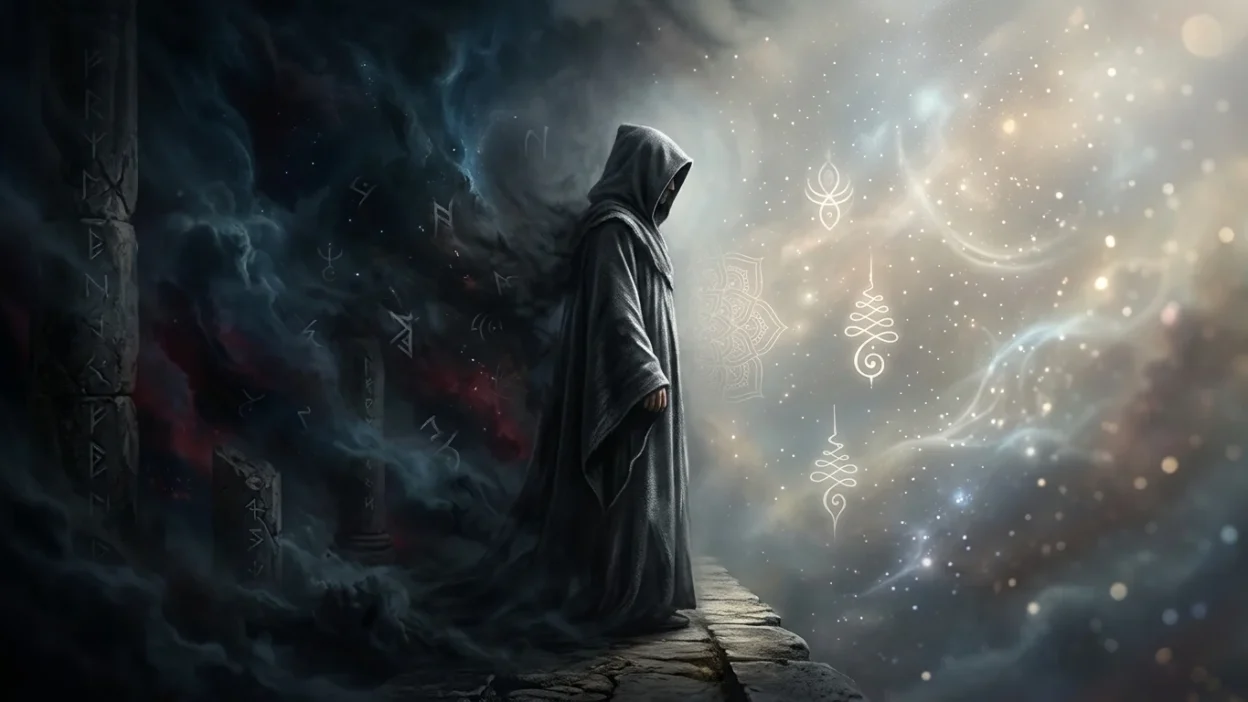
Darkness symbolism has fascinated humanity for centuries. Across myths, religion, psychology, literature, and dreams, darkness often represents mystery, fear, transformation, and the unknown. Yet darkness symbolism is not always negative. In many traditions, darkness also symbolizes rest, rebirth, protection, spiritual awakening, and hidden potential.
From ancient caves to modern storytelling, darkness continues to shape how people understand life, emotions, and personal growth. Its meaning changes depending on culture, belief systems, and emotional experiences, making it one of the most powerful symbols in human history.
Darkness Symbolism Meaning (Clear Definition)
Darkness symbolism refers to the deeper meanings connected to darkness in culture, spirituality, psychology, religion, and art. It commonly represents the unknown, hidden emotions, fear, death, mystery, or transformation.
At the same time, darkness can symbolize:
- Inner reflection
- Spiritual growth
- Protection and silence
- The unconscious mind
- New beginnings before renewal
In symbolic language, darkness often appears as the space between endings and beginnings. Just as night comes before dawn, darkness can represent a period of change and preparation.
Common Symbolic Meanings of Darkness
| Symbolic Meaning | Explanation |
| Mystery | Represents the unknown or unseen |
| Fear | Reflects anxiety, uncertainty, or danger |
| Transformation | Symbolizes personal growth and rebirth |
| Hidden Truth | Suggests secrets or deeper understanding |
| Rest and Healing | Associated with sleep, peace, and renewal |
| Spiritual Depth | Represents meditation and inner wisdom |
| Grief or Loss | Connected to mourning and emotional pain |
Secondary ideas often linked to darkness symbolism include shadow symbolism, spiritual awakening, inner fears, mystery symbolism, emotional healing, transformation symbolism, and unconscious mind meaning.
What Does Darkness Symbolism Represent?
Darkness symbolism represents both challenge and possibility. While many people associate darkness with negativity, its symbolic meaning is much deeper and more balanced.
1. The Unknown
Darkness hides what cannot be seen clearly. Symbolically, it reflects uncertainty about the future, hidden truths, or unexplored emotions.
2. Fear and Anxiety
Humans naturally fear what they cannot see. Darkness often symbolizes emotional struggles, insecurity, or confusion.
3. Transformation and Rebirth
Many spiritual traditions view darkness as a temporary phase before enlightenment. Seeds grow underground, and dawn follows night. In this sense, darkness symbolizes preparation for change.
4. Inner Reflection
Quiet darkness encourages self-awareness. It can represent meditation, introspection, and emotional healing.
5. Protection and Rest
Darkness also creates safety and stillness. Nighttime allows the body and mind to recover, making darkness a symbol of renewal and peace.
Spiritual Meaning of Darkness Symbolism
Spiritually, darkness symbolism often represents the journey inward. Rather than evil alone, spiritual darkness can symbolize deep transformation, self-discovery, and awakening.
Many spiritual teachings describe a “dark night of the soul,” a difficult emotional or spiritual period that eventually leads to greater wisdom and clarity.
Spiritual Interpretations of Darkness
- Letting go of old beliefs
- Facing hidden fears
- Emotional cleansing
- Entering a new spiritual phase
- Discovering inner strength
- Connecting with intuition
In meditation and spiritual practice, darkness may also symbolize silence and detachment from distractions. It creates space for reflection and spiritual growth.
Some traditions even believe creation itself began in darkness before light emerged, making darkness a symbol of infinite potential.
Biblical / Religious Meaning of Darkness Symbolism
In religion, darkness symbolism can carry both negative and sacred meanings depending on the context.
Biblical Meaning of Darkness
In the Bible, darkness often symbolizes:
- Sin or separation from God
- Ignorance or spiritual blindness
- Judgment and suffering
- Fear and temptation
However, biblical darkness is not always evil. Certain passages describe divine mystery, solitude, and spiritual testing occurring in darkness.
For example, darkness may represent a period where faith is challenged before spiritual renewal arrives.
Other Religious Interpretations
Hinduism
Darkness may symbolize illusion, ignorance, or attachment, but also the cosmic mystery before creation.
Buddhism
Darkness often represents lack of enlightenment and confusion, while awareness brings spiritual light.
Indigenous Traditions
Many Indigenous cultures view darkness as sacred and connected to dreams, ancestors, and natural cycles.
Darkness Symbolism in History and Culture
Throughout history, darkness symbolism has shaped myths, rituals, storytelling, and social beliefs.
Ancient Civilizations
Ancient cultures often connected darkness with chaos before creation. Night gods and underworld myths reflected humanity’s fear and fascination with the unseen.
Medieval Symbolism
During medieval times, darkness became heavily associated with danger, evil spirits, and moral corruption in European culture.
Eastern Perspectives
In many Eastern philosophies, darkness is not purely negative. Concepts like yin and yang show darkness and light as complementary forces necessary for balance.
Cultural Symbolism Around the World
- African traditions may connect darkness with ancestry and spiritual depth.
- Japanese aesthetics often value shadows and subtle darkness as beautiful and calming.
- Modern Western culture frequently uses darkness to symbolize rebellion, mystery, or emotional struggle.
Darkness Symbolism in Literature and Art
Writers and artists use darkness symbolism to create emotion, tension, and psychological depth.
In Literature
Darkness often represents:
- Internal conflict
- Evil or temptation
- Loneliness
- Mystery and suspense
- Emotional trauma
- Transformation
Classic gothic literature especially relies on darkness to explore fear and the hidden side of human nature.
In Art
Artists use shadows and dark imagery to express:
- Grief
- Power
- Mystery
- Isolation
- Spiritual intensity
Modern films and photography also use darkness to create mood and emotional realism.
Dream Meaning of Darkness Symbolism
Dreaming about darkness usually reflects emotional uncertainty, hidden fears, or personal transformation.
However, the meaning depends on the dream’s details and emotional tone.
Common Darkness Dream Interpretations
| Dream Scenario | Possible Meaning |
| Walking in darkness | Feeling uncertain or lost |
| Calm darkness | Need for rest or reflection |
| Fear of darkness | Anxiety or hidden fears |
| Emerging from darkness | Personal growth or clarity |
| Darkness surrounding others | Emotional distance or confusion |
Dream symbolism often connects darkness with the subconscious mind. It may reveal emotions or thoughts that are not fully understood during waking life.
Modern Meaning of Darkness Symbolism
Today, darkness symbolism continues to evolve in psychology, entertainment, fashion, and self-expression.
Psychological Meaning
Modern psychology often connects darkness with the shadow self — the hidden aspects of personality people avoid or suppress.
Facing emotional darkness can lead to:
- Self-awareness
- Healing
- Emotional maturity
- Personal empowerment
Popular Culture
Movies, music, and social media frequently use darkness symbolism to represent:
- Emotional complexity
- Mystery
- Strength through struggle
- Independence
- Nonconformity
Personal Growth
Many people now see darkness not simply as negativity, but as a necessary part of transformation. Difficult experiences often lead to wisdom, resilience, and deeper understanding.
FAQs About Darkness Symbolism
What is the main meaning of darkness symbolism?
Darkness symbolism mainly represents mystery, the unknown, fear, transformation, and hidden emotions. It can also symbolize spiritual growth and inner reflection.
Is darkness symbolism always negative?
No. Although darkness can symbolize fear or suffering, it also represents healing, rest, protection, wisdom, and personal transformation.
What does darkness symbolize spiritually?
Spiritually, darkness often symbolizes inner journeys, emotional healing, spiritual awakening, and the process of self-discovery before enlightenment.
What does darkness mean in dreams?
Darkness in dreams commonly reflects uncertainty, hidden emotions, anxiety, or transformation. The emotional feeling within the dream strongly affects the interpretation.
Why do writers use darkness symbolism?
Writers use darkness symbolism to create mystery, emotional depth, suspense, and psychological complexity in stories and characters.
Conclusion
Darkness symbolism remains one of humanity’s most powerful and timeless symbols. It represents fear and mystery, but also healing, wisdom, transformation, and renewal. Across spirituality, literature, dreams, and culture, darkness reminds us that growth often begins in unseen places. Just as night eventually gives way to dawn, periods of darkness can lead to understanding, strength, and meaningful change.

“Alex Fokes is a visionary entrepreneur and tech enthusiast, dedicated to exploring innovation, digital trends, and creative solutions. He shares insights to educate and inspire audiences globally.”