Peace symbolism has fascinated humanity for centuries, offering a visual and emotional language for harmony, unity, and hope. From ancient traditions to modern movements, these symbols help people express a universal desire for calm, balance, and coexistence. Understanding peace symbolism reveals how deeply rooted the idea of peace is in human history, spirituality, and daily life.
Peace Symbolism Meaning
Peace symbolism refers to visual signs, objects, or images that represent harmony, nonviolence, unity, and inner calm. These symbols often transcend language, conveying a shared human longing for balance and conflict free existence.
Common examples include the peace sign, olive branch, dove, and white flag each carrying unique yet related meanings tied to reconciliation and goodwill.
What Does Peace Symbolism Represent?
Peace symbolism represents a range of positive human values that go beyond the absence of conflict. These include:
- Harmony – Balance between individuals, communities, and nature
- Nonviolence – Choosing compassion over aggression
- Unity – Connection among people despite differences
- Hope – Belief in a better, conflict free future
- Freedom – Liberation from oppression and fear
These meanings make peace symbols powerful tools in activism, spirituality, and personal expression.
Spiritual Meaning of Peace Symbolism
On a spiritual level, peace symbolism often points to inner tranquility and alignment with a higher state of consciousness. It is not just about external calm, but also about achieving mental and emotional balance.
Many spiritual traditions view peace as:
- A state of inner stillness
- A connection to universal energy
- A sign of spiritual awakening
Symbols like the lotus flower or a calm lake often represent peace in meditation practices, emphasizing clarity and self awareness.
Biblical / Religious Meaning of Peace Symbolism
In religious contexts, peace symbolism carries deep sacred meaning.
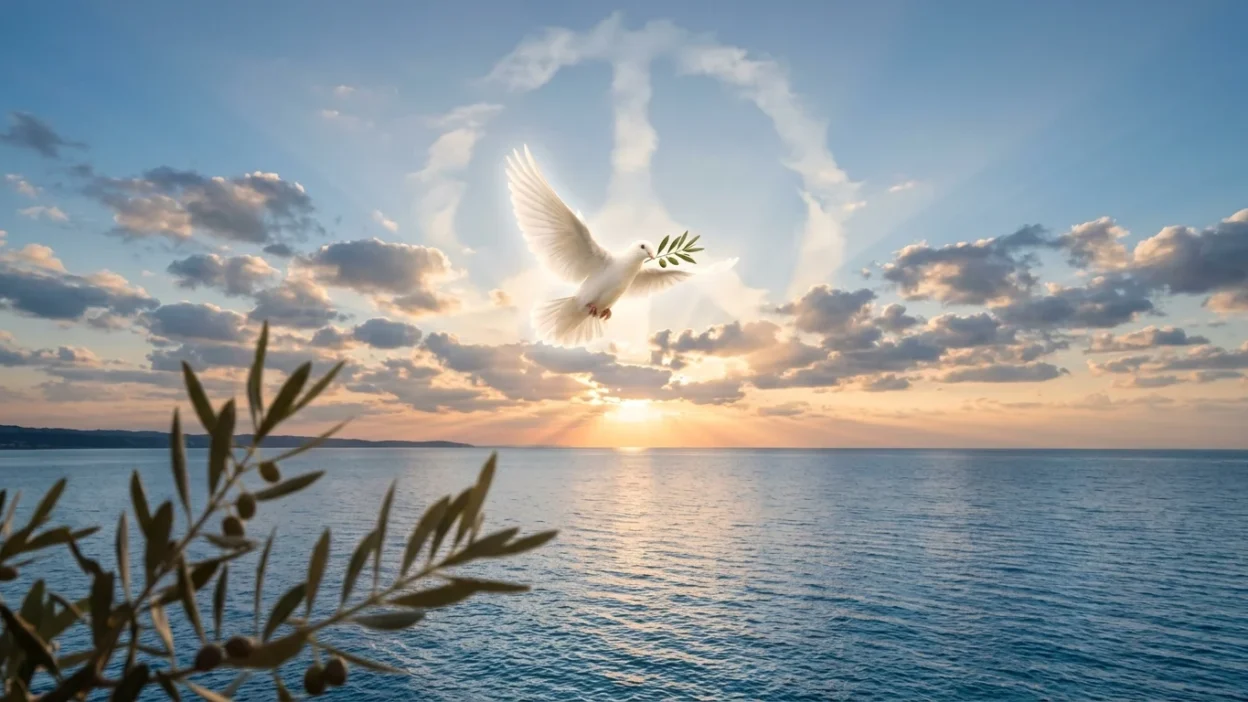
In Christianity, peace is closely associated with divine presence and blessing. The dove, for example, symbolizes peace and the Holy Spirit. The olive branch represents reconciliation and God’s promise after the flood.
In Islam, peace is central to faith itself the word “Islam” is derived from a root meaning peace and submission to God. Greetings like “As salamu alaykum” literally wish peace upon others.
In Buddhism, peace symbolism reflects inner enlightenment and freedom from suffering, often represented through serene imagery and meditative symbols.
Peace Symbolism in History and Culture
Throughout history, peace symbolism has played a key role in shaping societies and movements.
- The olive branch dates back to ancient Greece as a sign of truce
- The white flag became a universal symbol of surrender and ceasefire
- The modern peace sign emerged during nuclear disarmament campaigns
Across cultures, these symbols helped communicate intentions of goodwill without words, making them powerful tools in diplomacy and social change.
Peace Symbolism in Literature and Art
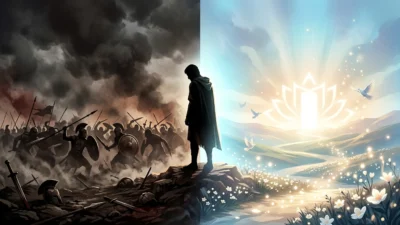
In literature and art, peace symbolism often appears as a contrast to chaos and conflict. Writers and artists use symbolic imagery to evoke emotional calm and hope.
Common artistic representations include:
- Birds in flight (freedom and serenity)
- Natural landscapes (balance and harmony)
- Light and open space (clarity and calmness)
These symbols help audiences connect emotionally with themes of resolution, healing, and unity.
Dream Meaning of Peace Symbolism
Dreaming of peace symbolism can reflect your inner emotional state or subconscious desires.
Typical interpretations include:
- Seeing a dove or calm scenery – Desire for harmony or resolution
- Holding a peace symbol – Personal growth or emotional healing
- Being in a peaceful place – Need for rest and mental clarity
Such dreams often signal that you are seeking balance or moving toward inner peace.
Modern Meaning of Peace Symbolism
Today, peace symbolism continues to evolve while retaining its core message. It is widely used in:
- Social movements advocating nonviolence
- Mental health awareness promoting inner calm
- Fashion and design as a statement of values
- Digital culture through emojis and icons
Modern interpretations emphasize both global peace and personal well being, blending traditional meanings with contemporary relevance.
Summary of Common Peace Symbols
| Symbol | Meaning | Cultural Context |
| Dove | Peace, purity, hope | Religious and global |
| Olive Branch | Reconciliation, truce | Ancient Greece, worldwide |
| Peace Sign | Anti war, unity | Modern activism |
| White Flag | Surrender, ceasefire | Military and diplomacy |
| Lotus Flower | Inner peace, enlightenment | Eastern spirituality |
FAQs About Peace Symbolism
What is the most recognized peace symbol?
The modern peace sign is widely recognized globally, especially as a symbol of anti war movements and unity.
Why is the dove a symbol of peace?
The dove represents purity and divine peace, often linked to religious stories and spiritual meanings.
What does the olive branch symbolize?
The olive branch symbolizes reconciliation and the end of conflict, dating back to ancient civilizations.
Is peace symbolism universal?
Yes, many peace symbols are understood across cultures, though their interpretations may slightly vary.
How is peace symbolism used today?
It is used in activism, art, mental health awareness, and everyday design to promote harmony and unity.
Conclusion
Peace symbolism speaks a timeless language that connects people across cultures, beliefs, and generations. Whether expressed through ancient icons or modern imagery, these symbols remind us of humanity’s shared desire for harmony, compassion, and balance. Understanding them not only deepens awareness but also inspires a more peaceful way of living.