Unity symbolism reflects the deep human desire for connection, harmony, and togetherness. Whether seen in nature, religion, or daily life, unity symbolism reminds us that strength often comes from collective effort. From ancient traditions to modern societies, the idea of unity continues to shape how we think, act, and relate to one another.
Unity Symbolism Meaning
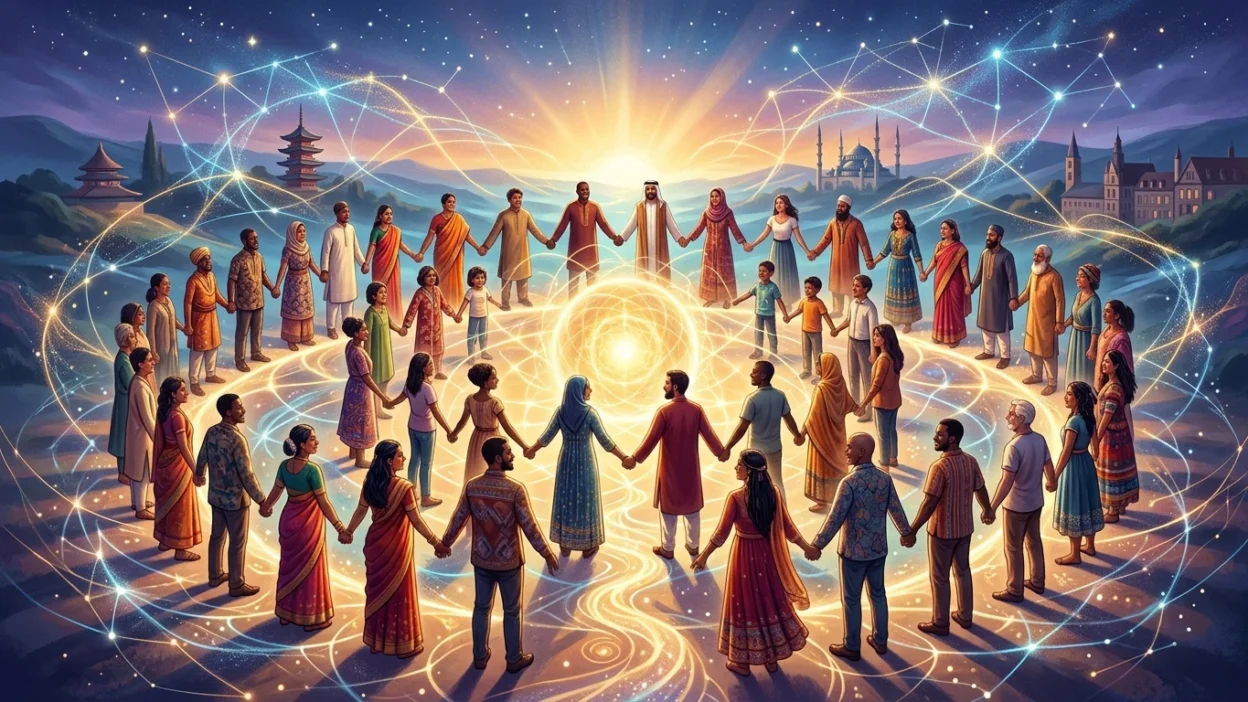
Unity symbolism refers to the representation of oneness, connection, and harmony among individuals, groups, or elements. It highlights the idea that separate parts can come together to form a stronger, more balanced whole.
In simple terms, unity symbolism means:
- Togetherness over division
- Strength through collaboration
- Harmony among differences
What Does Unity Symbolism Represent?
Unity symbolism carries powerful meanings across different contexts. It often represents emotional, social, and universal connections that bind people and ideas.
Key Representations of Unity Symbolism
- Harmony – Peaceful coexistence despite differences
- Strength – Collective power is greater than individual effort
- Balance – Equal importance of all parts within a whole
- Cooperation – Working together toward a common goal
- Peace – Absence of conflict and presence of mutual respect
- Interconnectedness – Everything is linked in some way
Quick Summary
| Symbolic Aspect | Meaning |
| Togetherness | Unity among people or groups |
| Strength | Power through collaboration |
| Balance | Equal and fair coexistence |
| Harmony | Peaceful relationships |
| Oneness | Shared identity or purpose |
Spiritual Meaning of Unity Symbolism
Spiritually, unity symbolism points to the idea that all life is interconnected. Many belief systems teach that separation is an illusion, and unity is the true nature of existence.
It often reflects:
- Universal oneness – Everything in the universe is connected
- Inner harmony – Alignment between mind, body, and soul
- Collective consciousness – Shared spiritual awareness
Unity symbolism can also encourage compassion, reminding us that helping others ultimately supports the whole.
Biblical / Religious Meaning of Unity Symbolism
In many religious teachings, unity symbolism is central to faith and community.
- In Christianity, unity is associated with love, fellowship, and being “one body” in faith.
- In Islam, unity (Ummah) represents the collective brotherhood and equality of believers.
- In Eastern philosophies, unity often reflects balance between opposing forces, like yin and yang.
Across traditions, unity symbolizes divine connection, shared purpose, and spiritual harmony.
Unity Symbolism in History and Culture
Throughout history, unity symbolism has played a key role in shaping civilizations and movements.
- Ancient groups relied on unity for survival and protection
- National movements used unity to inspire independence and identity
- Cultural rituals often emphasize togetherness and collective celebration
Symbols like circles, knots, and interlocking shapes have historically represented unity, showing continuity and connection without beginning or end.
Unity Symbolism in Literature and Art
Writers and artists have long used unity symbolism to express deeper meanings about society and human relationships.
- In literature, unity often appears as themes of cooperation, family bonds, or shared struggle
- In visual art, interconnected forms or repeating patterns reflect harmony and cohesion
- In poetry, unity symbolizes emotional or spiritual completeness
Unity symbolism in creative works often highlights the importance of empathy and shared humanity.
Dream Meaning of Unity Symbolism
Dreaming about unity symbolism can carry important personal messages.
Common Interpretations
- Joining hands or groups – Desire for connection or belonging
- Peaceful gatherings – Inner balance and emotional harmony
- Reconciliation scenes – Healing relationships or resolving conflict
These dreams often suggest a need to reconnect—with others or with yourself.
Modern Meaning of Unity Symbolism
Today, unity symbolism remains highly relevant in a rapidly changing world.
It is commonly associated with:
- Diversity and inclusion
- Global cooperation
- Social harmony and equality
In modern contexts, unity symbolism encourages people to embrace differences while working toward shared goals. It serves as a reminder that collaboration leads to progress.
FAQs About Unity Symbolism
What is the main meaning of unity symbolism?
Unity symbolism primarily represents togetherness, harmony, and strength achieved through connection and cooperation.
Why is unity symbolism important?
It highlights the value of collaboration and reminds us that collective effort often leads to greater success and balance.
What symbols represent unity?
Common symbols include circles, interlocking rings, knots, and chains, all representing connection and continuity.
How does unity symbolism apply in daily life?
It appears in teamwork, relationships, communities, and any situation where cooperation and shared goals are important.
Is unity symbolism spiritual?
Yes, many spiritual traditions view unity as a reflection of universal connection and inner harmony.
Conclusion
Unity symbolism carries a timeless message: we are stronger together than apart. Whether viewed spiritually, culturally, or personally, it reminds us that connection, cooperation, and harmony are essential for growth and balance in life.

“Martain Cooper, founder and author of Symbobuz.com, is a passionate technology enthusiast and writer, sharing insights on innovation, digital trends, and creative solutions to inspire readers worldwide.”