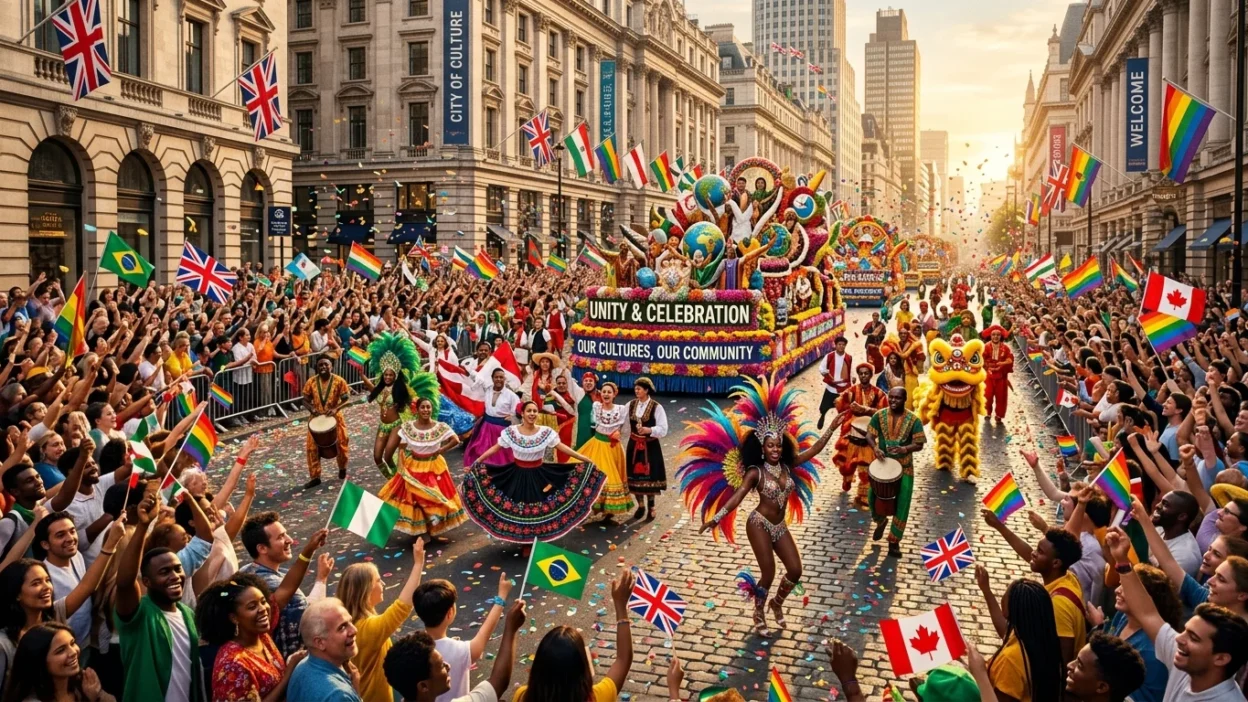
Parade symbolism reflects far more than colorful floats and marching bands it represents unity, identity, celebration, and collective expression. Whether cultural, political, or spiritual, parades carry deep symbolic meanings that connect communities, tell stories, and mark important moments in history and life.
Parade Symbolism Meaning
Parade symbolism refers to the deeper meanings and messages conveyed through organized public processions. These events use movement, costumes, music, and visual displays to symbolize shared values, achievements, beliefs, or identities.
In simple terms, a parade is not just a spectacle it’s a symbolic journey that communicates something important to both participants and spectators.
What Does Parade Symbolism Represent?
Parades often represent a wide range of ideas depending on their context. At their core, they symbolize:
- Unity and togetherness – bringing people together for a common purpose
- Celebration and joy – marking victories, holidays, or milestones
- Identity and pride – expressing cultural, national, or personal identity
- Progress and movement – physically and metaphorically moving forward
- Recognition and honor – celebrating achievements or individuals
Common Symbolic Themes in Parades
| Element | Symbolic Meaning |
| Marching bands | Harmony and coordination |
| Floats | Creativity and storytelling |
| Costumes | Identity and tradition |
| Flags | Unity and belonging |
| Movement forward | Progress and collective direction |
Spiritual Meaning of Parade Symbolism
Spiritually, parade symbolism can represent the journey of life or the soul’s path. The forward movement of a parade reflects personal growth, transformation, and progression toward a higher purpose.
It may also symbolize:
- Spiritual awakening – moving toward enlightenment
- Collective energy – shared spiritual vibrations among people
- Celebration of life – honoring existence and divine creation
In some interpretations, participating in or watching a parade can feel like being part of something greater than oneself.
Biblical / Religious Meaning of Parade Symbolism
In religious contexts, parades often appear as processions, which carry deep symbolic importance.
- In Christianity, processions symbolize faith in motion, such as Palm Sunday reenactments representing Jesus’ entry into Jerusalem.
- In other traditions, religious parades symbolize devotion, gratitude, and spiritual unity.
These processions are not just rituals they are visible expressions of belief, reverence, and communal faith.
Parade Symbolism in History and Culture
Throughout history, parades have been used as powerful tools of communication and influence.
- Ancient civilizations used parades to display power and celebrate victories
- National parades symbolize patriotism and independence
- Cultural festivals preserve traditions and heritage
- Protest marches use parade-like structures to symbolize resistance and change
Parade symbolism in culture often reflects the values, struggles, and aspirations of a society at a given time.
Parade Symbolism in Literature and Art
In literature and art, parades often symbolize:
- The passage of time
- Societal structure and hierarchy
- Illusion versus reality
- Human expression and diversity
Writers and artists use parade imagery to represent life as a grand procession sometimes joyful, sometimes chaotic, but always meaningful.
Dream Meaning of Parade Symbolism
Dreaming about a parade can carry strong symbolic messages related to your personal life.
Common Interpretations
- Watching a parade – feeling like an observer in life or seeking belonging
- Participating in a parade – desire for recognition or self-expression
- Leading a parade – confidence, leadership, or ambition
- Chaotic parade – inner confusion or lack of direction
Parade symbolism in dreams often reflects how you relate to society, attention, and your life’s direction.
Modern Meaning of Parade Symbolism
Today, parade symbolism continues to evolve and adapt to modern values.
- Pride parades symbolize acceptance, equality, and identity
- Victory parades celebrate achievement and success
- Holiday parades emphasize joy, tradition, and community
- Awareness marches highlight social issues and inspire change
In the modern world, parades are powerful platforms for visibility, voice, and connection.
FAQs About Parade Symbolism
What is the main meaning of parade symbolism?
Parade symbolism primarily represents unity, celebration, and collective expression through organized public displays.
Why are parades important symbolically?
They communicate shared values, honor achievements, and bring communities together in meaningful and visible ways.
What does a parade symbolize in dreams?
It often symbolizes your role in society, desire for recognition, or your direction in life.
Are parades always positive symbols?
Not always while many represent joy and unity, some can symbolize control, protest, or social tension depending on context.
What do parade floats symbolize?
Floats represent storytelling, creativity, and the expression of themes or messages within the parade.
Conclusion
Parade symbolism goes far beyond celebration it reflects humanity’s need to connect, express, and move forward together. Whether spiritual, cultural, or personal, every parade tells a story about identity, purpose, and shared experience. When you look deeper, a parade becomes a powerful symbol of life itself ever moving, ever evolving, and always meaningful.

“Alex Fokes is a visionary entrepreneur and tech enthusiast, dedicated to exploring innovation, digital trends, and creative solutions. He shares insights to educate and inspire audiences globally.”